
Views: 0 Author: Site Editor Publish Time: 2026-11-18 Origin: Site
Buildings lose and gain a staggering amount of heat through ordinary glass. Architects, property managers, and homeowners are increasingly turning to window films to solve this problem without the cost of replacing glazing altogether. A well-engineered heat insulation film can block a significant share of solar heat while still letting natural light pour through, which is why it has become a standard retrofit in both commercial towers and residential properties.
This shift isn’t just about comfort. Rising energy costs and stricter building codes have pushed property owners to look for retrofits that pay for themselves. Window films sit at an attractive intersection: they’re faster to install than replacing glass, less disruptive to tenants, and deliver measurable reductions in cooling and heating loads. For a family deciding whether to invest in a residential window tint, the appeal often comes down to lower utility bills and a noticeably cooler home during peak summer months.
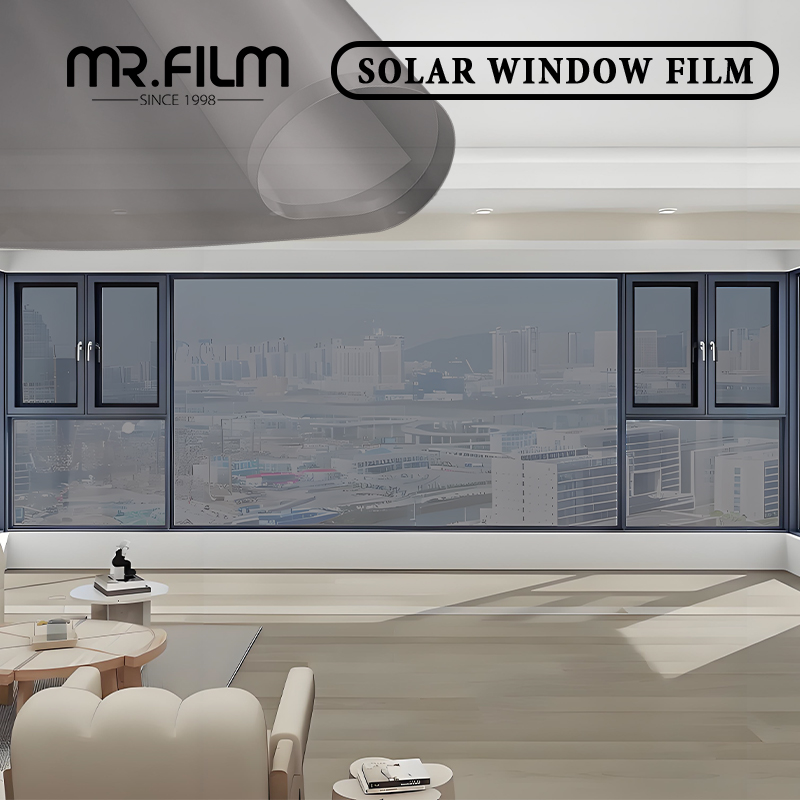
This article breaks down how insulation films actually work, what to look for when comparing products, and why material quality matters more than price alone. Whether you’re managing a commercial portfolio or upgrading a single-family home, understanding the fundamentals will help you make a decision that holds up for years, not just one season.
Window film works by applying a thin, multi-layered material directly to the interior or exterior surface of existing glass. The layers are engineered to reflect and absorb a portion of the infrared and ultraviolet spectrum before it ever reaches the room. Less solar energy entering the space means less work for air conditioning systems, which translates into lower electricity consumption during hot months.
Modern films rely on metallic, ceramic, or nano-ceramic coatings rather than older dyed technologies. Ceramic-based films, in particular, have gained popularity because they reject heat effectively without the signal interference that metallic films can cause for phones or GPS devices. This distinction matters for anyone comparing products, since not all films marketed as "heat insulation" perform the same way in real-world conditions.
Sun-facing windows, such as south and west exposures in the northern hemisphere, and north and west in the southern, typically receive the most direct sunlight throughout the day, making them the highest priority for film application. Buildings with large glass facades or floor-to-ceiling windows benefit disproportionately, since the surface area exposed to solar radiation is much greater. A property manager assessing a commercial building should start with these high-exposure zones before expanding treatment to the rest of the structure.
Not every film on the market delivers the same results, and price alone is a poor indicator of quality. The table below outlines the factors worth comparing when evaluating options for a building project.
| Factor | Why It Matters | What to Look For |
|---|---|---|
| Solar heat rejection rate | Determines how much heat is blocked before entering the room | Independently tested percentages, not just marketing claims |
| UV protection | Prevents fading of furniture, flooring, and fabrics | Films rated to block 99% or more of UV rays |
| Optical clarity | Affects how much natural light and visibility is preserved | Low haze percentage and neutral tint |
| Durability | Impacts how long the investment lasts | Scratch-resistant coatings and warranty length |
| Signal interference | Relevant for homes and offices with wireless devices | Non-metallic or ceramic-based construction |
Reviewing these criteria side by side makes it easier to avoid films that look appealing on a spec sheet but underperform once installed.
Installation timelines vary by project size, but a standard residential window can usually be completed within an hour per pane, while larger commercial jobs are scheduled in phases to minimize disruption. Professional installers also account for curing time, during which the film bonds fully to the glass and reaches its stated performance levels.
The gap between a film that performs for a decade and one that bubbles or discolors within a year usually comes down to manufacturing quality. Guangdong Mr.Film Photoelectric Technology Co., Ltd. has spent more than 27 years refining this process, operating three dedicated R&D centers and an intermediate test base staffed by over 40 core research experts. That investment has resulted in 135 national intellectual property applications, including 47 invention patents, and energy efficiency gains of up to 35% in tested building applications.


Manufacturers that control the entire production chain, from formula research to mass production, are better positioned to maintain consistent quality across batches. This is particularly relevant for anyone sourcing a window thermal tint for a large-scale project, where inconsistent film performance across dozens or hundreds of windows can create visible mismatches and uneven energy savings. A dust-free production base and auto coating machinery, both standard at established facilities, help reduce the defects that cause premature film failure.
For most buildings dealing with excessive solar heat, high cooling costs, or UV-related fading, window film offers a return on investment that’s hard to match with other retrofits. It requires no structural changes, works with existing glass, and begins delivering comfort improvements immediately after installation. Property owners weighing this decision should prioritize tested performance data and manufacturer track record over upfront cost alone, since the difference in longevity and consistent heat rejection compounds significantly over years of use.
Before committing to a product, request performance documentation, ask about warranty terms, and, where possible, compare samples side by side under similar lighting conditions. These small steps make the difference between a film that quietly does its job for a decade and one that needs replacing far sooner than expected.


