
Views: 0 Author: Site Editor Publish Time: 2026-07-08 Origin: Site
TL;DR:
Residential window tint blocks solar heat, reduces glare, and adds privacy without sacrificing natural light. The right film—especially one with strong heat rejection performance—can lower indoor temperatures meaningfully, cut energy costs, and improve comfort year-round. Choosing a trusted manufacturer like Mr. Film ensures consistent quality and long-term results.
Most homeowners don't think about their windows until something goes wrong—a room that gets unbearably hot in the afternoon, furniture that fades faster than expected, or a street-facing bathroom with zero privacy. Window tint solves all three problems, often at a fraction of the cost of replacing the glass itself.
The global window film market has grown steadily over the past decade, driven largely by rising energy costs and a sharper focus on sustainable building practices. For homeowners, the math is simple: a well-chosen residential window tint can reduce solar heat gain by up to 79%, according to the International Window Film Association (IWFA). That's a significant difference—especially during summer months when air conditioning accounts for a disproportionate share of household energy use.
This guide breaks down what residential window tint actually does, which types work best for different rooms, and how to choose the right product for your home.
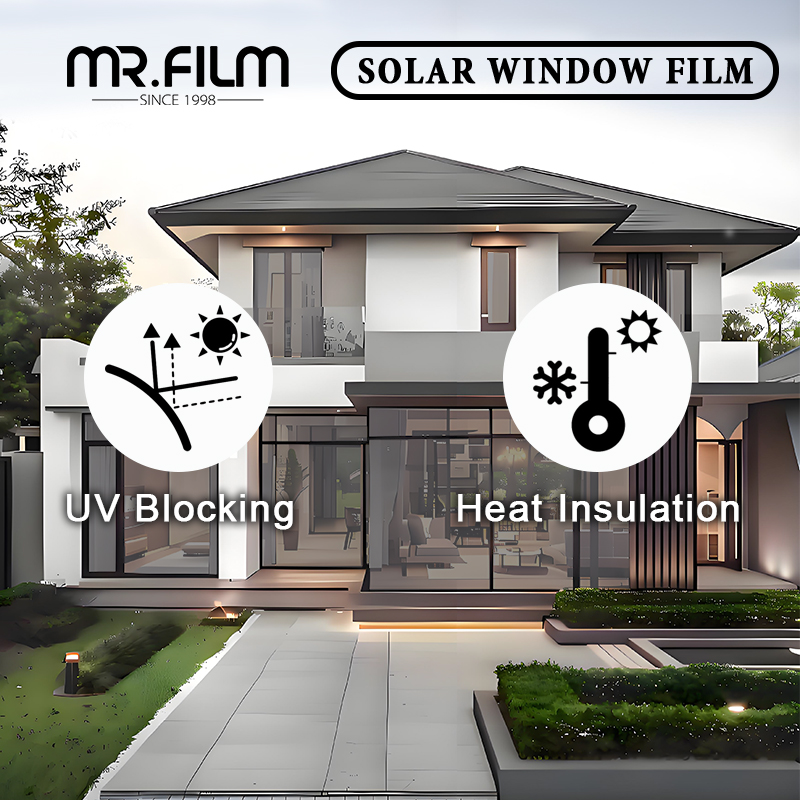
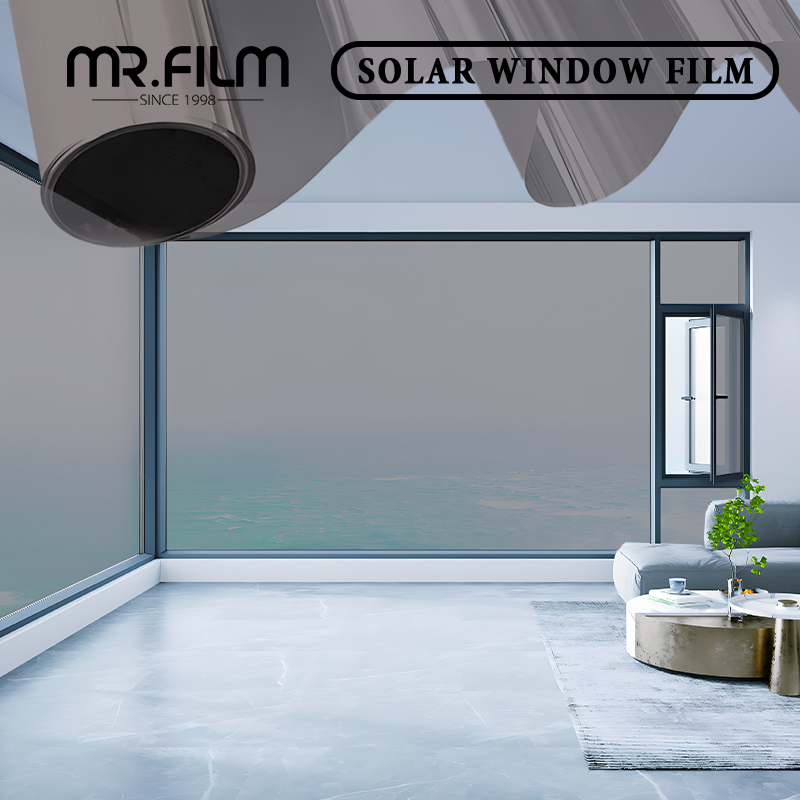
Window tint is a thin polyester-based film applied directly to interior glass surfaces. Depending on the film's construction, it can reflect, absorb, or scatter incoming solar radiation—effectively acting as a filter between the sun and your living space.
The core mechanisms at work:
Solar reflection — Metallic or nano-ceramic films reflect a portion of sunlight before it enters the glass.
Absorption — Dyed films absorb solar energy within the film layer itself.
Infrared blocking — Advanced ceramic films target the infrared spectrum specifically, which is responsible for most of the heat you feel from sunlight.
Most modern films combine more than one of these mechanisms. The result is a home that stays cooler, uses less energy, and feels more comfortable—without blacking out the view.
Not all tints are created equal. Entry-level dyed films offer basic UV protection and light reduction, but their heat performance degrades over time. Premium heat rejection tint, by contrast, uses nano-ceramic or spectrally selective technology to block infrared radiation without significantly reducing visible light.
Here's a practical comparison:
Film Type | Heat Rejection | UV Blocking | Visible Light | Fade Resistance |
|---|---|---|---|---|
Dyed Film | Low (20–40%) | Moderate | Reduced | Fades over time |
Metalized Film | Moderate (40–60%) | High | Moderate reduction | Good |
Ceramic Film | High (60–85%) | High (99%+) | Minimal reduction | Excellent |
Nano-Ceramic Film | Very High (up to 79%) | High (99%+) | Minimal reduction | Excellent |
Nano-ceramic films represent the current benchmark for residential performance. They block a high percentage of solar heat while preserving the clarity of the glass—a critical factor for homeowners who don't want their windows to look dark or reflective from the outside.
Mr. Film, a Guangdong-based manufacturer with over 27 years of experience, produces nano-ceramic building films engineered specifically for this balance.
The answer depends on orientation, usage, and privacy needs. Here's a room-by-room breakdown:
These rooms receive the most direct afternoon sun. Without tinting, glass acts almost like a magnifying lens—concentrating heat and creating uncomfortable hot spots near windows. A high-performance ceramic film can reduce this effect dramatically, keeping the room livable without drawing the blinds all day.
Glare on screens is a productivity killer. Window tint reduces glare by diffusing incoming light, making it easier to work near windows without squinting or repositioning constantly.
UV exposure accelerates the fading of upholstery, flooring, and artwork. A quality tint blocks up to 99% of UV radiation, protecting interior furnishings without requiring curtains or blinds to stay permanently closed.
Privacy is the primary concern here. Frosted or decorative building film supplier provides full visual privacy while still allowing diffused natural light to pass through. This is particularly useful for ground-floor bathrooms or windows that face neighboring properties.
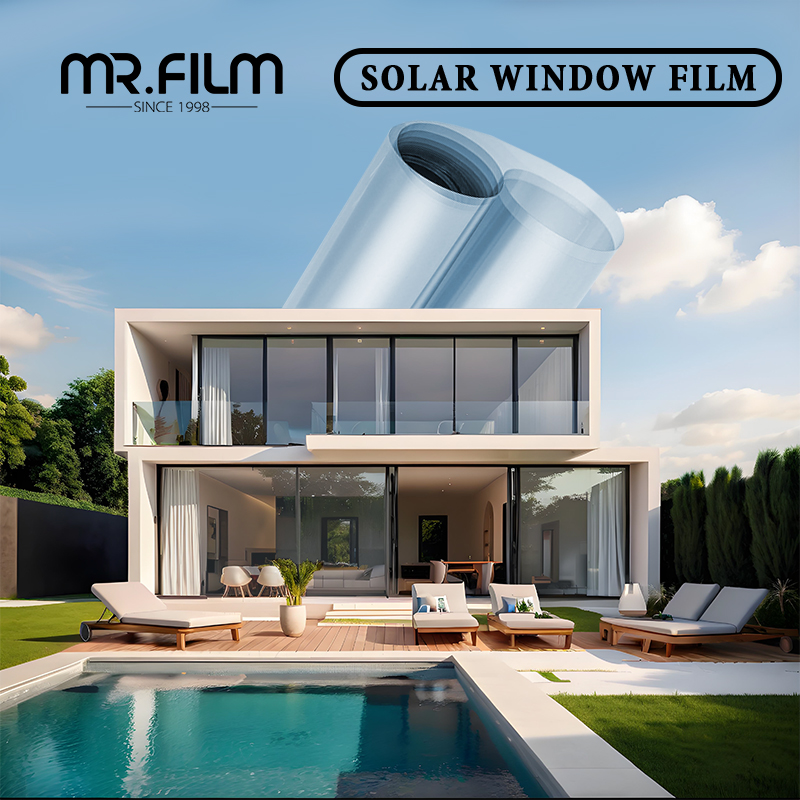
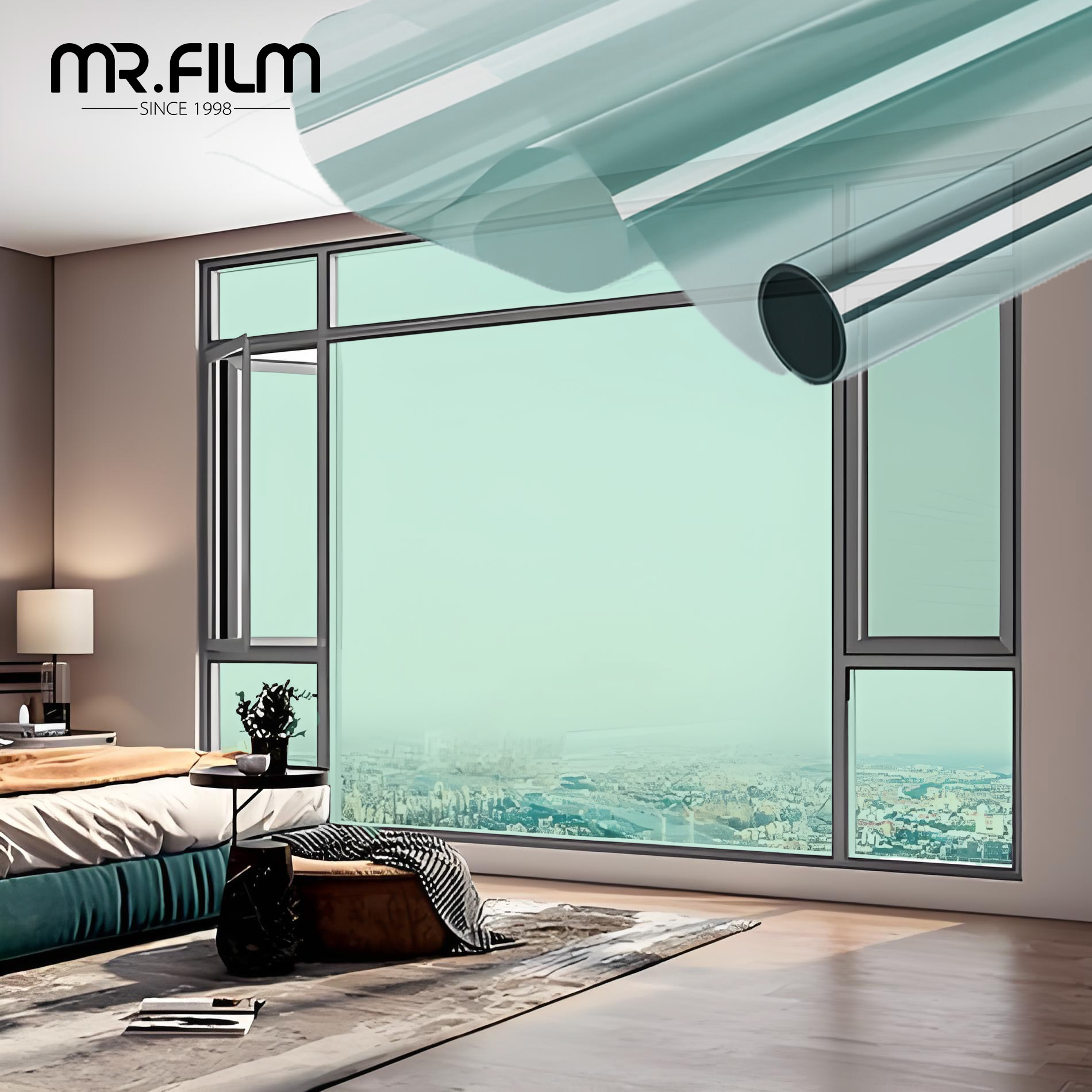
Shopping for window film can feel overwhelming given the sheer number of options. These are the specifications that matter most:
Total Solar Energy Rejected (TSER): Measures the percentage of total solar energy blocked. Look for films with a TSER of 50% or higher for meaningful heat reduction.
Visible Light Transmittance (VLT): Indicates how much natural light passes through. A VLT of 40–70% maintains a bright interior while still reducing heat and glare.
UV Rejection Rate: Most quality films offer 99% UV rejection. This is important for protecting furniture and flooring.
Emissivity: Low-emissivity films help retain interior heat in winter, making them suitable for year-round energy management.
Warranty: A reliable manufacturer will offer a warranty of at least ten years. Mr. Film backs its products with industry-grade certifications and supports OEM and ODM orders for clients who need custom specifications.
Buying directly from a manufacturer—rather than a third-party retailer—offers several advantages for both individual homeowners and trade buyers. Manufacturers like Mr. Film can provide product documentation, safety data sheets, and technical support that generic retailers often can't match.
For installers and contractors purchasing at volume, factory-direct pricing and the ability to customize film specifications (thickness, tint level, adhesive type) can significantly reduce project costs while improving output consistency. Mr. Film operates a dust-free production base equipped with automated coating machines, ensuring film quality remains stable across large batches.
Even the best film delivers poor results if it's installed incorrectly. A few key points:
Clean the glass thoroughly before applying any film. Dust, oils, or residue trapped beneath the film will cause bubbles and reduce adhesion.
Use the correct squeegee technique to push air and water toward the edges, not the center.
Allow adequate curing time—typically 3 to 7 days depending on climate—before assessing the final result.
Avoid cleaning the film with ammonia-based products, which can degrade the adhesive layer over time.
For large-scale installations or specialty glass types (curved glass, double-pane units, low-E glass), consulting the film manufacturer directly is advisable. Mr. Film's team provides technical guidance for both standard and complex applications.
Residential window tint is one of the more cost-effective upgrades available to homeowners. It reduces energy consumption, protects interior furnishings, adds privacy, and improves comfort—all without structural changes to the property.
The key is choosing the right film for the right application. High-heat rooms benefit from nano-ceramic technology. Bathrooms need privacy-first solutions. Bedrooms prioritize UV protection. And every application benefits from working with a manufacturer that can verify the performance claims on the label.
Mr. Film has spent more than two decades refining window film technology across building, automotive, and functional film categories. Their building film series covers the full range of residential needs—from solar control to decorative finishes—with factory-direct availability and OEM support.
Contact Mr. Film at ella@mr-film.cn or visit gdmrfilm.com to request samples or discuss your project requirements.
What is the best window tint for reducing heat in a home?
Nano-ceramic films offer the highest heat rejection performance for residential use—typically blocking 60–85% of solar heat while maintaining good visible light transmittance. They outperform dyed and basic metalized films in both performance and longevity.
Does residential window tint affect natural light indoors?
It depends on the film's VLT rating. Films with a VLT of 50% or above allow significant natural light while still reducing heat and glare. Lower VLT films provide more privacy but make interiors noticeably darker.
How long does residential window film last?
Quality films from reputable manufacturers typically last 10 years, depending on climate exposure and maintenance. Films backed by a manufacturer warranty offer the best long-term value.
Can window tint be applied to bathroom windows?
Yes. Frosted and decorative films are specifically designed for bathroom applications. They provide full privacy while allowing diffused light to enter—an effective alternative to frosted glass replacement.
Is window film environmentally friendly?
High-performance window films reduce air conditioning demand, which lowers energy consumption and carbon emissions. Some manufacturers, including Mr. Film, emphasize sustainable production practices as part of their green building positioning.
Does window film work in winter as well as summer?
Low-emissivity window films help retain interior heat in winter by reducing heat transfer through the glass, making them effective year-round. Some films are optimized for solar control only and may be less effective in colder months.


