
Views: 0 Author: Site Editor Publish Time: 2026-06-16 Origin: Site


TL;DR:
Upgrading your vehicle or property with premium ceramic films significantly reduces interior heat and blocks up to 99% of harmful ultraviolet rays. These advanced solutions enhance energy efficiency, improve daily comfort, and protect interior materials without compromising visibility or interfering with electronic signals.
Scorching summer heat easily turns vehicles and commercial buildings into uncomfortable environments. Prolonged exposure to intense sunlight raises interior temperatures, damages delicate upholstery, and forces air conditioning systems to work significantly harder. Finding a reliable solution to block this solar energy is crucial for maintaining a comfortable, safe, and efficient space.
Fortunately, modern materials science offers a highly effective way to manage solar heat gain. By applying nano ceramic window tint to your glass surfaces, you instantly create a powerful barrier against thermal energy. This advanced technology uses microscopic particles to absorb and reflect harmful radiation long before it penetrates the glass, keeping the interior environment pleasantly cool.
This comprehensive guide explores the mechanics behind these advanced thermal barriers. You will learn exactly how modern insulation technology functions, compare it directly against traditional dyed options, and discover practical steps to protect your valuable automotive and architectural investments.


Modern heat rejection technology relies on microscopic non-conductive particles embedded directly into a durable polyester base. These specialized particles measure incredibly small, allowing them to remain completely invisible to the naked eye. This microscopic engineering ensures that the glass remains highly transparent while simultaneously blocking immense amounts of solar energy.
Unlike older technologies that rely on dark dyes or metallic layers, this modern approach does not interfere with radio frequencies, cellular signals, or GPS navigation systems. According to manufacturing data from Guangdong Mr.Film Photoelectric Technology Co., Ltd [Guangdong Mr.Film, 2024], companies with over 27 years of dedicated experience have perfected these formulas. Their advanced production lines utilize automated coating machines to ensure perfectly even distribution of particles across every square inch of the material.
If you want to upgrade a residential property or an office building, choosing a high-quality nano ceramic tint provides superior longevity and performance. The technology actively filters out up to 99% of ultraviolet radiation, which prevents skin damage and stops expensive furniture from fading. Furthermore, these materials reject infrared heat, the specific spectrum of light responsible for making enclosed spaces feel uncomfortably hot.
Consumers often struggle to choose between basic dyed products and advanced ceramic options. While older dyed films simply darken the glass to provide privacy, they absorb heat rather than rejecting it. This absorbed heat eventually radiates inward, defeating the primary purpose of temperature control.
The following table highlights the critical differences between these two distinct categories of glass protection.
Feature | Traditional Dyed Products | Premium Ceramic Solutions |
Heat Rejection | Low to Moderate | Extremely High |
UV Protection | Moderate | Up to 99% |
Signal Interference | None | None |
Durability | Prone to fading over time | Highly resistant to fading |
Visibility at Night | Can impair low-light vision | Excellent clarity maintained |
Primary Benefit | Basic privacy | Maximum thermal control |
Choose premium ceramic solutions if long-term heat reduction and fading protection matter more than a low initial installation cost. Conversely, select traditional dyed products if you strictly need short-term cosmetic darkening on a very tight budget. For most long-term investments, the superior durability of modern composite layers yields a much higher return.
Architectural glass presents a massive challenge for energy efficiency. Large windows allow beautiful natural light to enter a workspace, but they also act as giant magnifying glasses that drastically increase indoor temperatures. Facilities managers often see their cooling costs skyrocket during the summer months as HVAC systems struggle to compensate for this constant thermal load.
Installing a commercial-grade nano ceramic solar film across a building's exterior glass dramatically alters this dynamic. By rejecting infrared heat at the source, these materials help stabilize indoor climates. According to industry experts, implementing energy-saving thermal insulation can increase overall energy efficiency by up to 35% [Guangdong Mr.Film, 2024]. This massive reduction in power consumption lowers utility bills and helps organizations achieve vital low-carbon sustainability goals.
Beyond basic temperature control, these installations improve workplace productivity by reducing harsh screen glare. Employees can work comfortably near windows without squinting or constantly adjusting blinds. Additionally, the added layer of durable polyester provides a slight increase in glass shatter resistance, offering an extra margin of safety during severe weather events or accidental impacts.

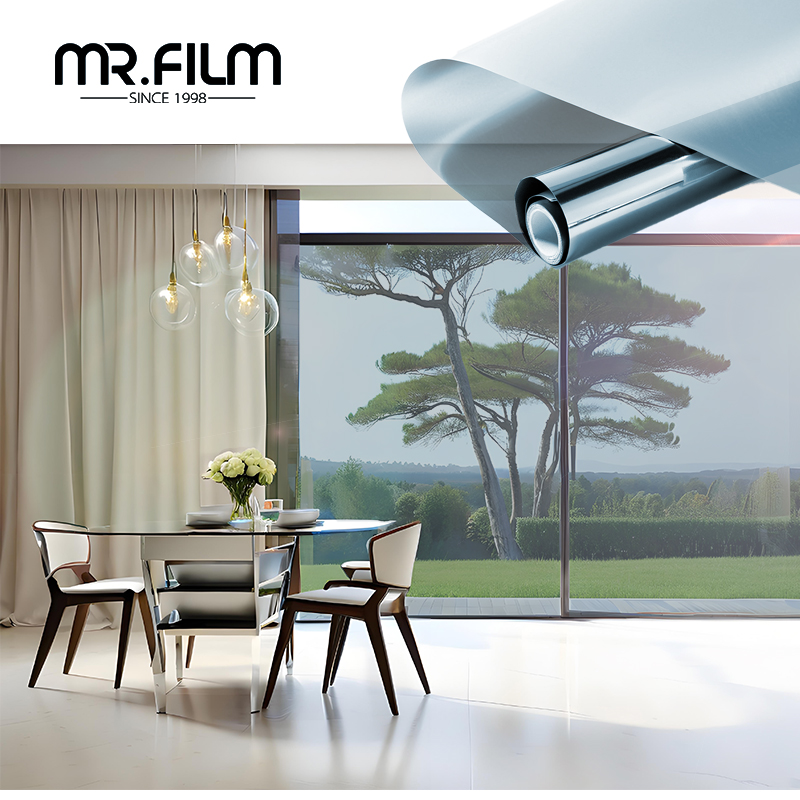
Investing in high-quality glass protection yields immediate and noticeable benefits. From eliminating the stifling wave of heat when opening a car door to significantly lowering commercial air conditioning expenses, the advantages are undeniable. By relying on reputable manufacturers with decades of specialized research and development, you ensure that your glass surfaces perform at their absolute best.
Take the time to evaluate your specific needs, assess your local climate, and consult with certified installation professionals. Upgrading your property with modern thermal barriers is a smart, lasting decision that protects both your comfort and your wallet.
The total expense varies significantly based on the size of the vehicle or building, the specific grade of material selected, and local labor rates. A standard four-door sedan usually ranges between $300 and $800 for a full premium installation. Commercial building projects are typically priced per square foot, often falling between $8 and $15 fully installed.
Certified technicians generally require two to four hours to properly clean the glass, custom-cut the material, and apply the final product to a standard commuter vehicle. Specialized cars with steeply raked rear windows or complex curves may require additional labor time. It is highly recommended to leave the windows rolled up for at least 48 hours after application to allow the mounting adhesive to cure fully.
If you prefer not to modify your glass, you can utilize retractable sunshades, heavy blackout curtains, or custom-fit reflective panels. While these alternatives provide excellent privacy and block direct sunlight, they completely eliminate your outward visibility. Advanced composite films remain the only solution that simultaneously provides high heat rejection, ultraviolet protection, and optical clarity.


