
Views: 0 Author: Site Editor Publish Time: 2026-05-18 Origin: Site
Maintaining the pristine appearance of commercial and residential properties requires constant vigilance. Property owners constantly face challenges ranging from intentional vandalism to accidental wear and tear. Glass surfaces are particularly vulnerable, often bearing the brunt of scratches, paint, and environmental damage that can be incredibly costly to repair or replace.
Finding reliable methods to safeguard these surfaces saves significant time and money. Rather than replacing entire glass panels every time damage occurs, modern technology offers a proactive approach. Applying specialized protective layers to glass creates a sacrificial barrier that absorbs the damage, leaving the underlying surface completely untouched.
Beyond mere protection, these specialized layers offer remarkable versatility for interior design and functional upgrades. From enhancing privacy in residential bathrooms to adding modern metallic accents in commercial spaces, the right surface treatment can completely transform a room's aesthetic while providing essential durability.


Urban environments present unique challenges for business owners and property managers. Storefronts, public transit stations, and ground-level office windows frequently attract unwanted attention. When vandals strike with spray paint, permanent markers, or etching tools, the resulting damage can severely impact a business's professional image.
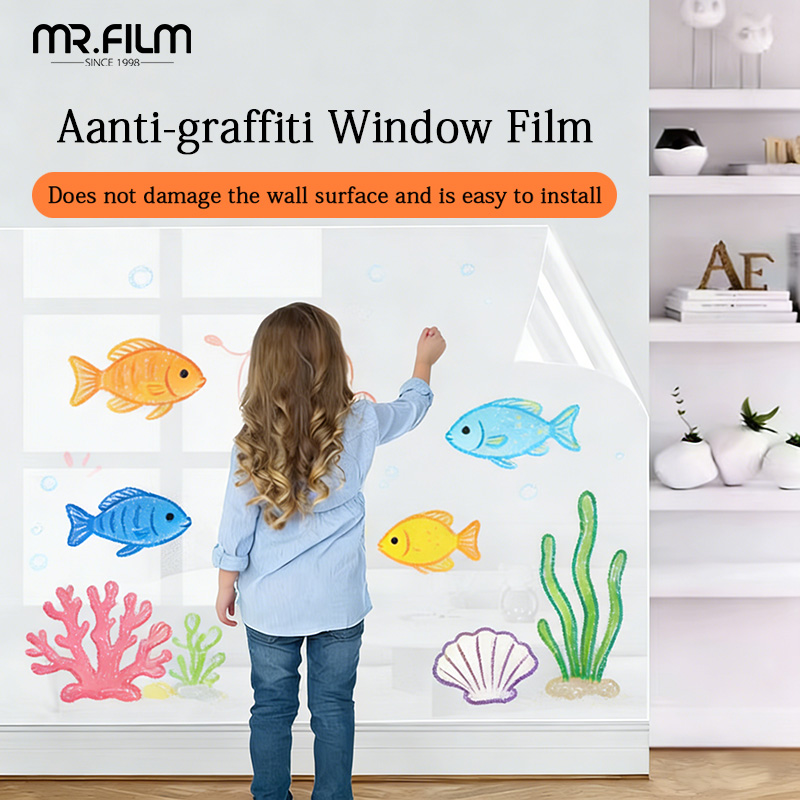
The traditional solution involved hiring specialized cleaning crews or replacing the entire glass pane, both of which require substantial financial investments. A more strategic approach involves applying anti-graffiti window film directly to the vulnerable surfaces. This transparent, heavy-duty barrier takes the damage instead of the glass. When vandalism occurs, maintenance teams simply peel away the affected layer and apply a new one at a fraction of the cost of replacing the actual window.
This method not only minimizes repair expenses but also reduces downtime. Businesses can maintain a clean, welcoming exterior without enduring lengthy glass replacement procedures. The protective barrier remains completely invisible to the naked eye, ensuring that display windows maintain their flawless clarity.

Protection is just one aspect of modern glass treatments. Interior designers and homeowners frequently utilize similar technology to elevate the visual appeal of indoor spaces. Bathrooms, conference rooms, and partition walls often require a delicate balance between natural light transmission and necessary privacy.
Instead of installing expensive frosted glass or heavy curtains, applying a shower glass decorative film provides an elegant and practical alternative. These customizable layers can mimic the look of etched, textured, or sandblasted glass. They allow sunlight to filter through while obscuring visibility, making them perfect for residential bathrooms and corporate meeting spaces.
Furthermore, these decorative options are highly adaptable. If a homeowner decides to update their bathroom's aesthetic, or a business rebrands, the current layer can be easily removed and replaced with a new design. This flexibility allows for continuous interior updates without the massive expense of structural renovations.


Certain environments demand specialized materials that go beyond basic protection and privacy. High-tech manufacturing facilities, retail displays, and specialized architectural projects often require surfaces that offer specific visual characteristics and robust durability.
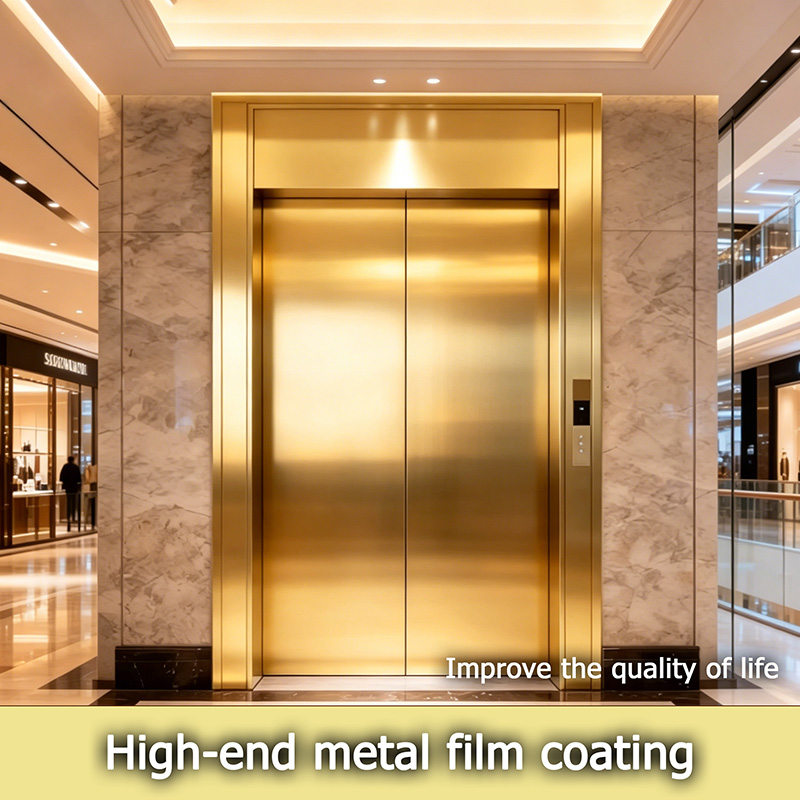
For projects demanding a sleek, reflective finish with high impact resistance, integrating a petg silver metallic film offers an excellent solution. This material provides a striking, mirror-like appearance while offering superior flexibility and strength compared to traditional materials. It is highly resistant to chemicals and physical impacts, making it ideal for demanding commercial environments.
These specialized materials demonstrate how far surface technology has advanced. They allow architects and facility managers to achieve specific visual goals—like a polished metal aesthetic—without the weight, cost, or installation difficulties associated with actual metal panels.

To better understand how different treatments serve various needs, review the comparison below. This breakdown highlights the primary functions and common application areas for distinct categories of surface modifications.
Film Category | Primary Function | Common Application Areas | Key Benefit |
Security & Protection | Absorbs physical damage, prevents glass shattering | Retail storefronts, transit stations, ground-floor offices | High cost-savings on glass replacement |
Decorative & Privacy | Obscures view while allowing light transmission | Bathrooms, glass partitions, meeting rooms | Affordable alternative to frosted glass |
Architectural Styling | Mimics other materials (metal, wood, stone) | Retail fixtures, interior wall panels, modern facades | Lightweight and highly customizable |
Solar & Heat Control | Blocks UV rays and reduces interior heat | Residential windows, commercial high-rises | Lowers cooling costs and prevents fading |
Protecting and enhancing your property does not have to involve exhaustive renovations or exorbitant costs. By utilizing advanced surface treatments, you can proactively defend against vandalism, elevate your interior design, and solve complex architectural challenges with ease.
Evaluate your current property to identify vulnerable glass surfaces or areas that could benefit from a visual upgrade. Implementing these simple yet highly effective barriers will save you money on future repairs and keep your space looking pristine. Reach out to a professional installer to discuss the best options for your specific commercial or residential needs.


