
Views: 0 Author: Site Editor Publish Time: 2026-06-09 Origin: Site
Quick answer:
Condensation-prevention films utilize specialized hydrophilic coatings to disperse moisture evenly across glass surfaces before droplets can form. These durable layers maintain visual clarity, improve physical safety in high-humidity environments, and resist daily scratches. Partnering with a reliable manufacturing factory ensures long-lasting performance, strict quality control, and excellent optical transparency.
Condensation on glass surfaces causes immense frustration in both residential and commercial environments. When warm, moist air collides with a cool surface, water droplets rapidly accumulate and obscure visibility completely. This natural physical reaction creates hazardous driving conditions on car windshields, disrupts commercial freezer displays, and leaves bathroom mirrors unusable after a hot shower.
Finding a permanent resolution requires understanding the materials designed to alter surface tension. Applying a specialized anti fog film for windows provides an immediate and lasting barrier against moisture buildup. By modifying how water interacts with the glass, these advanced layers ensure that temperature fluctuations no longer dictate your visibility or safety.
This guide explores the underlying science of condensation prevention, outlines the practical benefits for various industries, and highlights key factors to consider when selecting materials. You will learn exactly how these specialized coatings operate and why investing in high-quality manufacturing matters for long-term clarity.
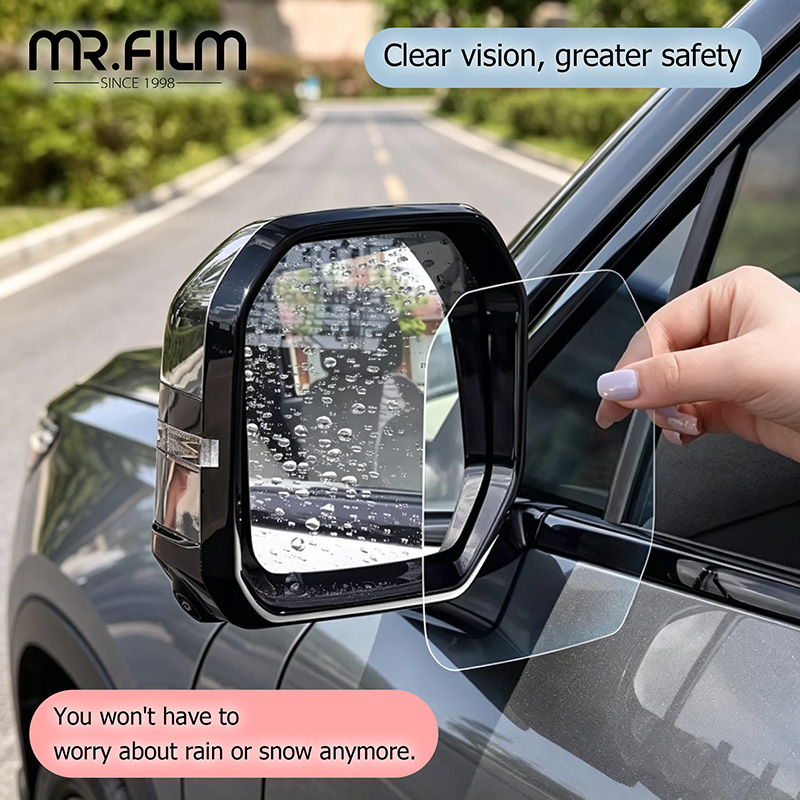
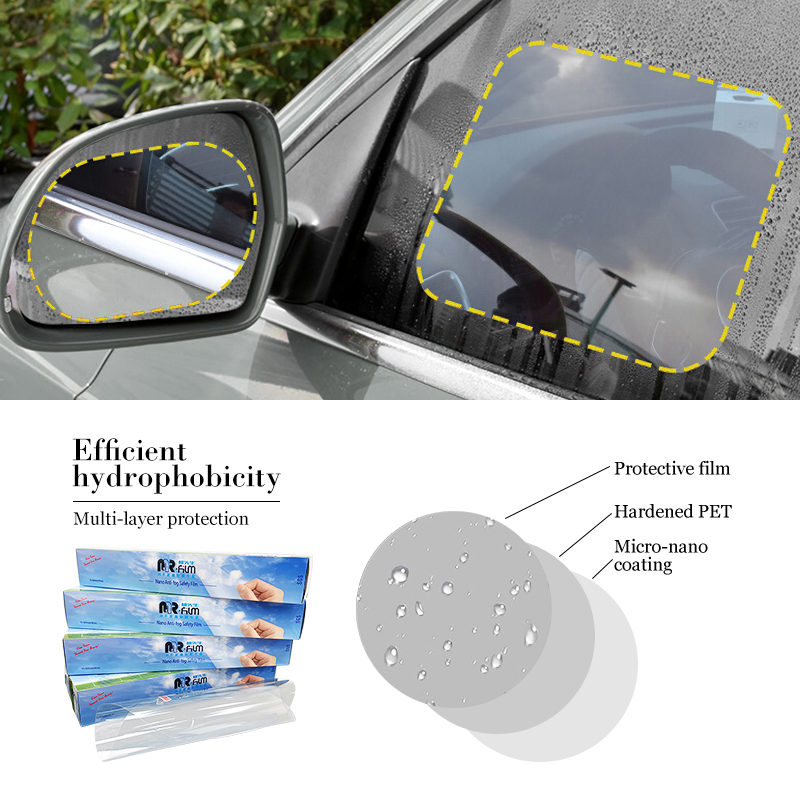
Moisture-blocking coatings rely on advanced chemical principles to maintain transparency. Manufacturers typically engineer these layers using a hydrophilic surface treatment. Instead of repelling water, a hydrophilic surface attracts moisture and forces it to spread out evenly across the entire area.
Because the water forms a continuous, microscopic sheet rather than individual droplets, light passes through the glass without scattering. This continuous sheet prevents the cloudy, opaque appearance we associate with steamed-up glass. Top-tier manufacturers like Guangdong Mr.Film Photoelectric Technology Co., Ltd integrate this technology into a durable polyethylene terephthalate (PET) base layer. The resulting product easily withstands regular cleaning, minor abrasions, and significant temperature shifts without losing its functional properties.
Clear glass plays a critical role across numerous environments, making condensation prevention a priority for multiple industries. Commercial supermarkets rely heavily on clear freezer doors to showcase products. When shoppers open and close these doors, the sudden temperature exchange instantly fogs untreated glass, hiding the merchandise and reducing sales.
In the automotive sector, drivers face severe safety risks when cabin humidity obscures their view of the road. High-quality anti fog window film actively mitigates this danger by maintaining a clear line of sight regardless of the weather outside. Residential users also benefit significantly, commonly applying these layers to bathroom mirrors and shower enclosures to eliminate the need for constant wiping after bathing.
Understanding the distinct advantages of treated glass helps property owners make informed upgrade decisions. The table below outlines the core differences in performance between untreated surfaces and those enhanced with advanced moisture-blocking technology.
Performance Metric | Standard Untreated Glass | Treated Glass Surfaces |
Visual Clarity in High Humidity | Poor; droplets scatter light | Excellent; moisture spreads evenly |
Maintenance Requirements | High; requires frequent wiping | Low; stays clear automatically |
Scratch Resistance | Varies by glass type | Enhanced; includes protective hard coat |
Safety Profile | Shatters into dangerous shards | Film holds broken glass pieces together |
Energy Efficiency (Commercial) | Lower; compressors work harder | Higher; doors stay closed longer |
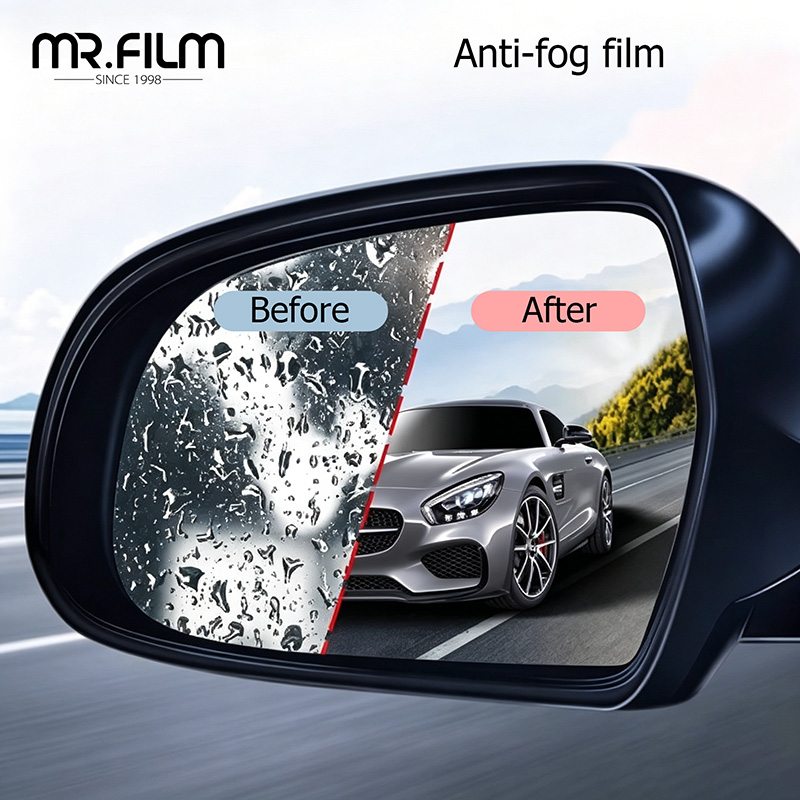
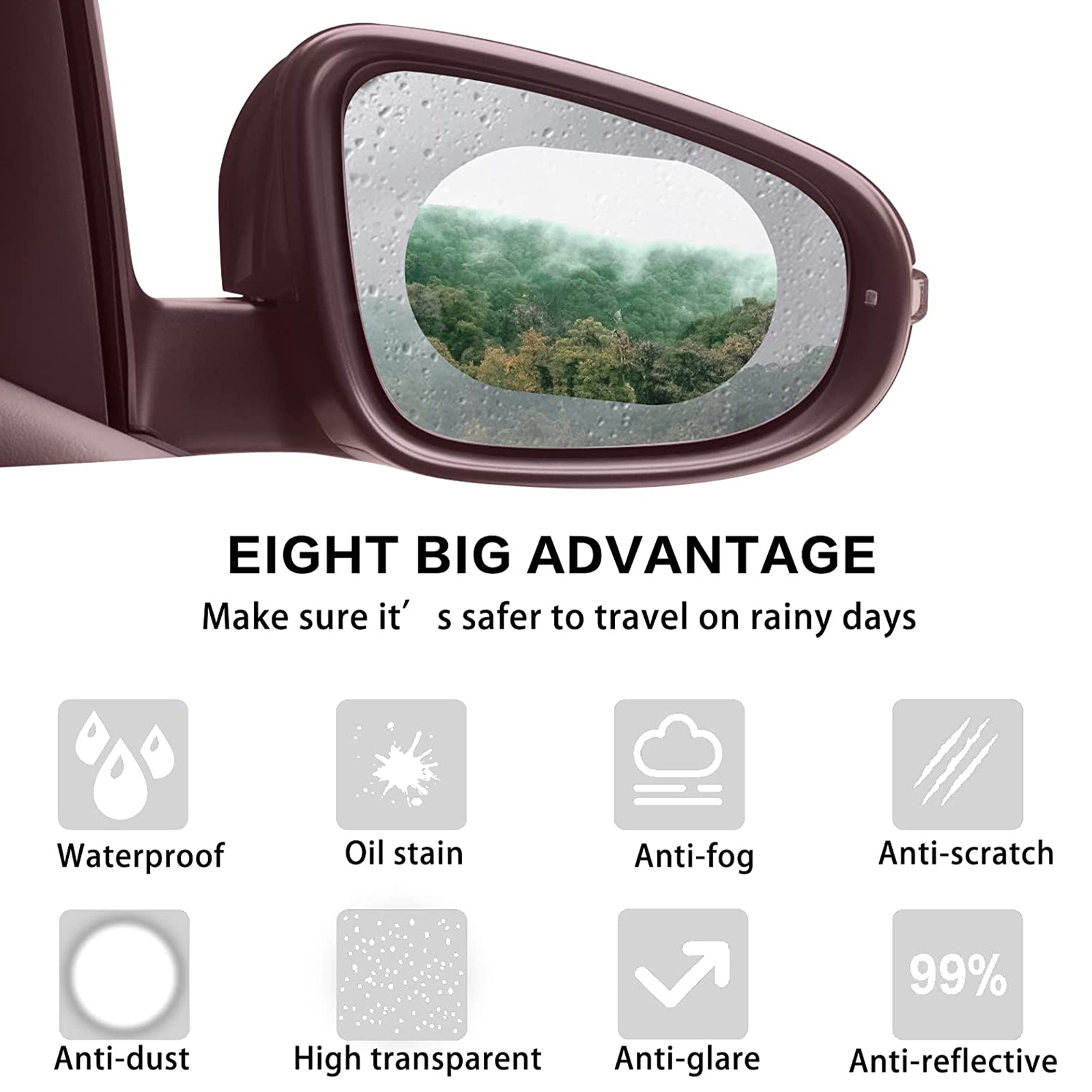
The effectiveness of any glass treatment depends entirely on the chemical formulation and the precision of the manufacturing process. Sourcing materials from an unverified anti fog film supplier often leads to peeling edges, yellowing over time, and a rapid decline in moisture-blocking capabilities.
Guangdong Mr.Film Photoelectric Technology Co., Ltd brings over 27 years of deep professional accumulation to the industry. Operating out of a dust-free production base equipped with automatic coating machines, the facility ensures strict quality control. This level of technical expertise guarantees that every roll delivers reliable, long-lasting performance for both household and commercial applications.
Maintaining clear glass in humid environments no longer requires constant manual intervention or expensive heating elements. By leveraging advanced hydrophilic technology, property owners and vehicle operators can permanently eliminate condensation issues. Prioritizing products from established manufacturers with proven research capabilities ensures your investment yields a durable, scratch-resistant, and crystal-clear result for years to come.
High-quality products manufactured in dust-free facilities typically last two years, depending on the application environment. Regular cleaning with non-abrasive materials extends the lifespan significantly.
Yes, many users successfully apply the material themselves using a wet-application method. However, professional installation is recommended for large commercial freezer doors or complex automotive windshields to avoid trapped air bubbles and ensure perfect edge alignment.
Premium formulations maintain excellent optical clarity. The high-grade PET base and specialized adhesives ensure that the material remains virtually invisible once applied, allowing maximum natural light transmission without any yellowing or distortion.


