
Views: 0 Author: Site Editor Publish Time: 2026-06-22 Origin: Site
Quick answer:
One way privacy window film creates a mirror effect on one side while staying see-through on the other, but only when the lit side faces the brighter area. During daytime, it gives strong privacy and heat control. At night, the effect reverses unless you adjust your lighting. Understanding this principle is key before placing any large order.
If you run a glass shop, manage a building project, or resell window products, you've likely heard customers ask for "the film that lets you see out but not in." That product is one way privacy window film, and it's one of the most requested items in the decorative and functional film market today.
The trouble is, this film comes with a lot of confusion. Some buyers expect it to work the same way around the clock. Others worry it won't hold up in real conditions. If you're sourcing in volume, those misunderstandings can lead to returns, complaints, and lost trust.
This guide breaks down how the film actually works, where it performs best, and what to check before you buy. By the end, you'll know enough to make smart sourcing decisions and explain the product clearly to your own customers.
The film relies on a simple rule: light travels from bright to dark. One side carries a thin reflective metal coating. When sunlight hits the outside of a window, that coating bounces most of the light back, creating a mirror finish. People outside see a reflection. People inside, sitting in the darker space, can still see through.
This is why the product is often sold for one way privacy window film wholesale orders aimed at offices, clinics, and storefronts. These spaces want daytime privacy without giving up natural light or outward views.
A few points matter for performance:
The brighter side always becomes the mirror.
The film needs a clear difference in light levels between the two sides.
Heat rejection and UV blocking are common bonus features.
Without that light gap, the effect weakens. That single fact explains nearly every customer question about this product.


Daytime is when the film shines. The sun lights up the exterior, the inside stays dimmer, and the privacy holds. This is the classic one way mirror window film day and night scenario that buyers ask about most.
At night, things flip. Once the sun sets and indoor lights switch on, the inside becomes the bright side. Now the mirror effect appears on the inside, and people outside can see in. This surprises many first-time users, so it helps to set expectations early.
Here's a simple comparison to share with your customers:
Condition | Brighter Side | Privacy Result |
|---|---|---|
Daytime, lights off inside | Outside | Strong privacy, see out clearly |
Daytime, lights on inside | Usually outside | Good privacy in most cases |
Nighttime, lights on inside | Inside | Privacy lost, visible from outside |
Nighttime, lights off inside | Outside (from streetlights) | Privacy returns |
The takeaway is straightforward. The film works whenever the viewer's side is darker than the other side. Manage the lighting, and you manage the privacy.
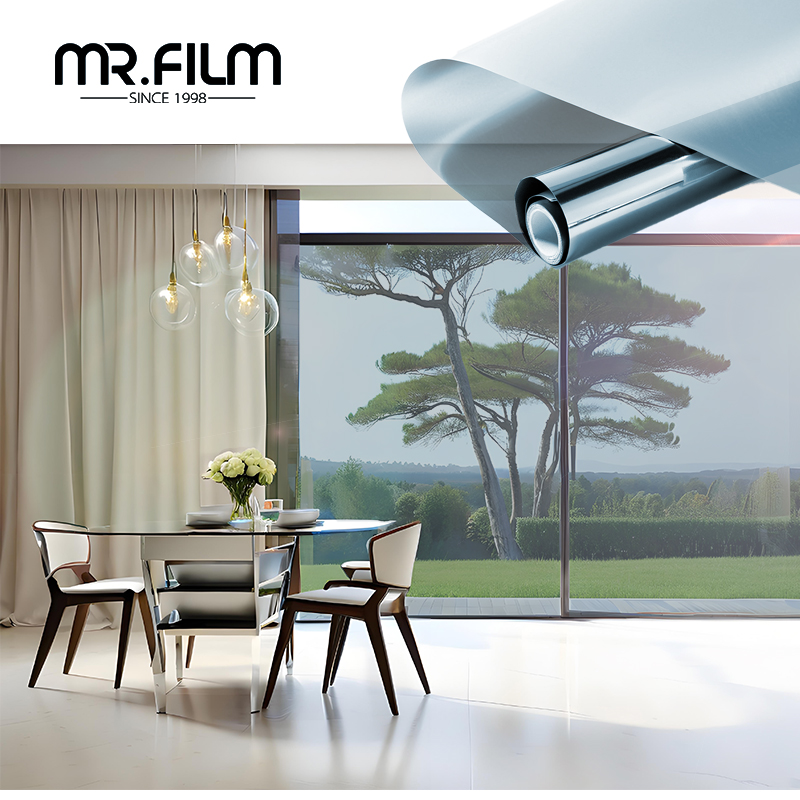
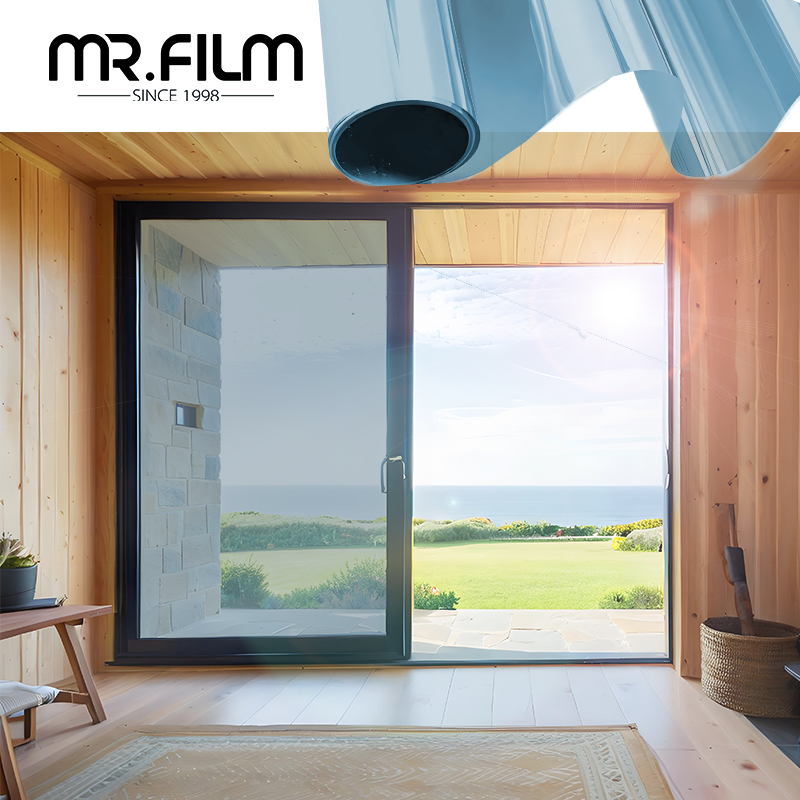
This is the most common worry, and the honest answer is: it depends on the lighting. So does one way film work at night? The film itself doesn't stop working—the light conditions simply change.
If you keep interior lights on at night, the privacy effect reverses. But there are easy fixes:
Add curtains or blinds for after-dark hours.
Use external lighting to brighten the outside surface.
Pair the film with frosted or decorative options for round-the-clock coverage.
For most commercial buyers, daytime privacy is the main goal, so this limitation rarely becomes a dealbreaker. The key is being upfront with end users so they aren't caught off guard.
Sourcing in volume means small quality differences add up fast. A film that fades, peels, or scratches will cost you far more in replacements than you saved on the order. Choose based on what your market needs most.
Consider these factors when comparing suppliers:
Factor | Why It Matters | What to Ask |
|---|---|---|
Adhesive quality | Prevents peeling and bubbling | Warranty length and bond strength |
Heat rejection rate | Adds value for hot climates | Tested rejection percentage |
UV blocking | Protects interiors from fading | UV block rating |
Scratch resistance | Extends product lifespan | Hard-coat layer details |
OEM/ODM options | Lets you brand or customize | Minimum order and lead time |
Choose a manufacturer with real production capacity if consistency matters more than the lowest price. A supplier with in-house coating equipment and patents, like Guangdong Mr.Film with its 27 years of experience, can hold quality steady across large runs. That stability protects your reputation with your own buyers.
One way privacy film fits many settings, but some bring stronger returns than others:
Office buildings: Conference rooms and street-facing windows gain daytime privacy.
Retail stores: Displays stay visible while back areas stay hidden.
Clinics and offices: Patients and staff get discretion without dark rooms.
Homes: Living areas enjoy views and reduced glare during the day.
For resellers, these use cases give you clear talking points. Match the film's strengths to each customer's daily routine, and the product almost sells itself.
One way privacy window film is a strong product when you understand its core rule: privacy follows the dark side. Sell it for daytime use, pair it with smart lighting habits, and your customers will be happy with the result.
Before you commit to a large order, confirm the adhesive quality, heat and UV performance, and the supplier's ability to deliver consistent batches. Those checks separate a profitable product line from a stream of complaints.
If you're ready to source, start by requesting samples and a full spec sheet. Test the film in real day and night conditions yourself. That hands-on step builds the confidence you need to stock it at scale and back it with your own name.
Is one way privacy window film the same as a one way mirror?
Not exactly. A true one way mirror uses a glass panel with a partial reflective coating. The film delivers a similar effect on standard glass, relying on the same bright-to-dark light principle to create privacy.
Can I apply the film to any type of window?
It works on most flat, single-pane and many double-pane windows. Always check the supplier's guidance, since very thick or low-emissivity glass can sometimes affect adhesion or heat performance.
How long does the film last?
Quality films often last 3 years indoors, depending on sun exposure and care. Adhesive grade and the protective hard coat are the biggest factors in lifespan.
What is the minimum order for wholesale buyers?
This varies by manufacturer. Suppliers offering OEM and ODM services usually set a minimum order quantity, so ask about MOQ, lead times, and custom branding before you commit.
Does the film reduce heat as well as add privacy?
Many versions do. Reflective and heat-insulating films can cut solar heat noticeably, which adds value in warm climates and lowers cooling costs for end users.
Quick answer:


