
Views: 0 Author: Site Editor Publish Time: 2026-03-11 Origin: Site
Modern drivers increasingly look for advanced glass protection solutions that improve comfort, efficiency, and safety. Nano ceramic solar film has become one of the most advanced upgrades for automotive glass because it delivers superior heat control, glare reduction, and UV protection. Unlike traditional dyed or metallic coatings, nano ceramic window film relies on microscopic ceramic particles that provide performance without interfering with electronic signals.
Many drivers choose solar film primarily to improve cabin comfort during hot weather. However, high-quality nano ceramic solar film offers much more than temperature reduction. It improves interior protection, enhances visual comfort, and contributes to energy efficiency.
The growing popularity of nano ceramic window film also reflects a shift toward modern nanotechnology. Advanced ceramic nanoparticles provide stable performance over time, which means solar film remains effective even after years of exposure to sunlight. Because of these advantages, nano ceramic solar film has become a leading solution for both personal vehicles and commercial fleets.
The key difference between standard solar film and nano ceramic solar film lies in material structure. Instead of dyes or metal layers, nano ceramic window film contains non-conductive ceramic nanoparticles embedded within multiple protective layers.
These particles are extremely small, allowing nano ceramic solar film to maintain excellent clarity while still blocking significant solar heat. As sunlight passes through the glass, solar film with ceramic particles absorbs and disperses infrared radiation.
Because nano ceramic window film does not rely on metallic components, it avoids the signal interference that older solar film products sometimes create. Navigation systems, mobile phones, and wireless communication remain stable when nano ceramic solar film is installed.
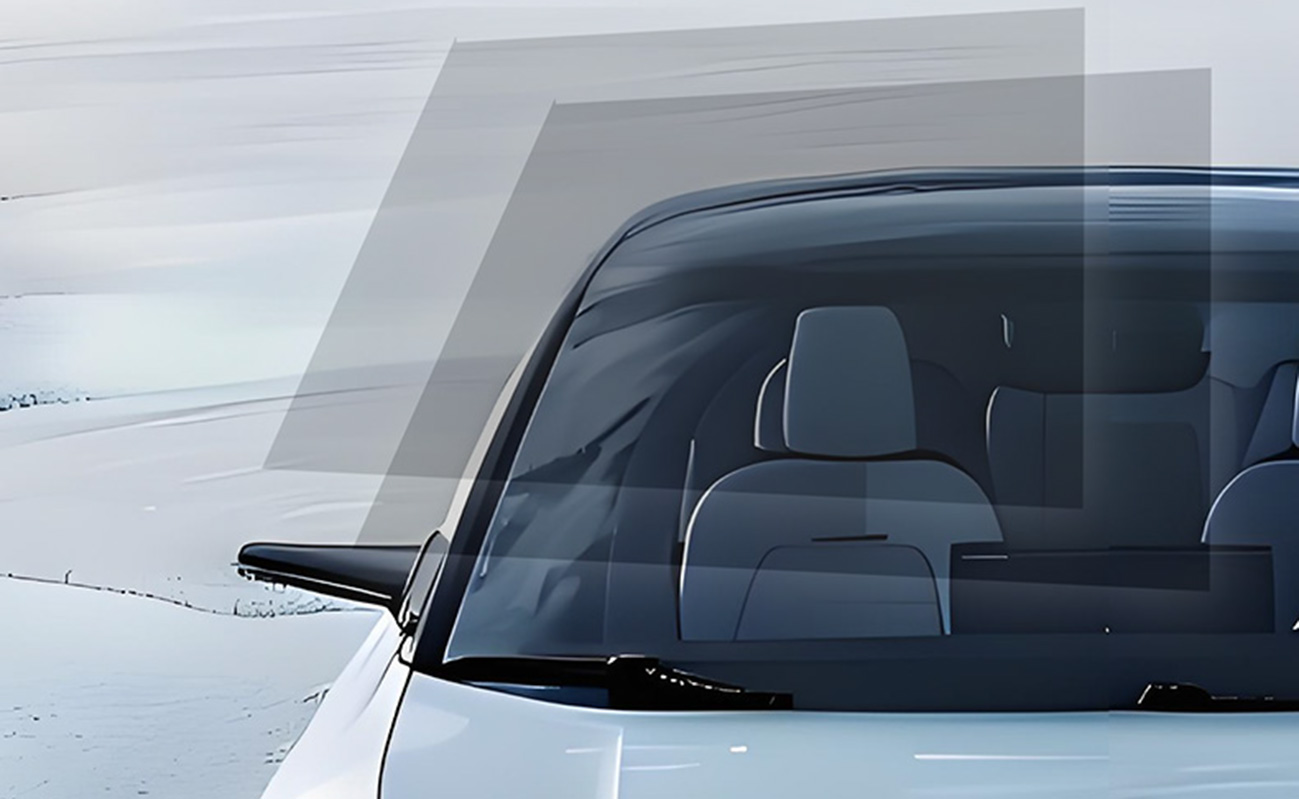
High-quality nano ceramic solar film usually includes several protective layers that enhance durability. These layers typically include:
Scratch resistant coating
UV blocking layer
Heat control ceramic layer
Optical clarity layer
This layered construction ensures nano ceramic window film remains clear while delivering strong solar control. Over time, the structural stability of solar film helps maintain consistent performance without fading.
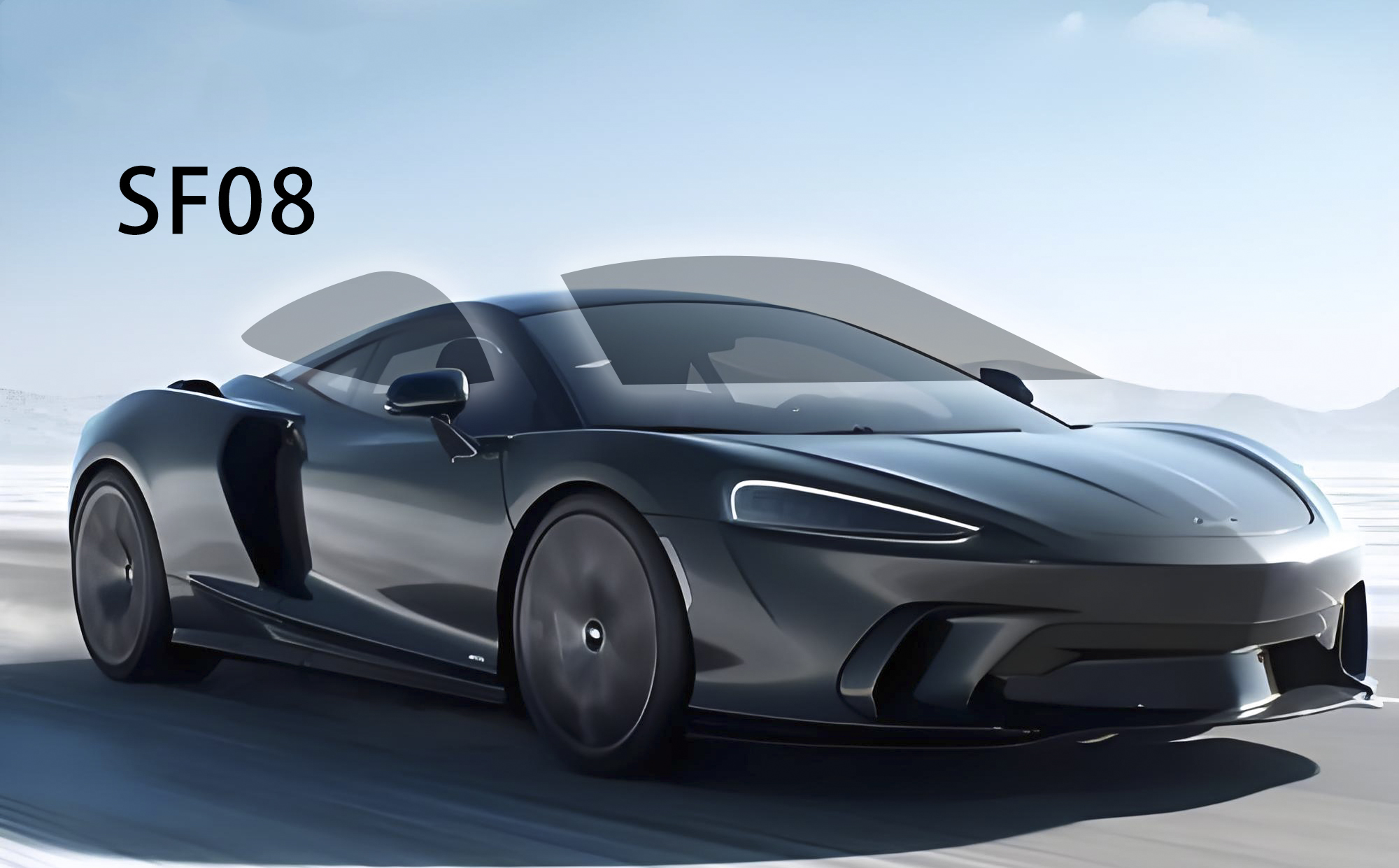
One of the most recognized advantages of nano ceramic solar film is its ability to reduce solar heat entering a vehicle. When sunlight reaches the glass surface, solar film containing ceramic particles reflects and absorbs infrared radiation.
This process significantly reduces cabin temperature. Vehicles equipped with nano ceramic window film often require less air conditioning, which contributes to improved fuel efficiency.
Prolonged sunlight exposure can damage interior materials such as leather seats, dashboards, and trim panels. Installing nano ceramic solar film blocks a large percentage of ultraviolet radiation.
Because solar film prevents UV penetration, the interior remains protected from fading or cracking. Long-term durability becomes a major benefit of nano ceramic window film, especially in regions with intense sunlight.
Strong sunlight can create uncomfortable glare while driving. Nano ceramic solar film helps reduce excessive brightness while maintaining clear outward visibility.
With properly installed solar film, drivers experience less eye strain during daytime travel. Nano ceramic window film also improves visual comfort during sunset or early morning conditions.
Different types of solar film exist on the market. Understanding the differences helps consumers choose the most suitable option.
| Solar Film Type | Heat Rejection | Signal Interference | Durability | Optical Clarity |
|---|---|---|---|---|
| Dyed Solar Film | Moderate | None | Medium | Good |
| Metallic Solar Film | High | Possible | Good | Moderate |
| Nano Ceramic Solar Film | Very High | None | Excellent | Excellent |
This comparison shows why nano ceramic solar film is often considered a premium solution. Compared with standard solar film, nano ceramic window film provides stronger heat rejection without compromising signal reception.
Drivers who prioritize comfort, durability, and modern technology often prefer nano ceramic solar film.
Proper installation is essential for achieving optimal results from nano ceramic solar film. A skilled installer ensures that solar film adheres smoothly to the glass surface without bubbles or distortion.
High-quality nano ceramic window film should be carefully aligned with window contours. Precision installation ensures the solar film performs as intended while maintaining clean visual appearance.
Although nano ceramic solar film may initially cost more than standard solar film, the long-term value is significant. Because nano ceramic window film resists fading, discoloration, and peeling, replacement frequency remains low.
Energy savings also contribute to cost efficiency. Vehicles using solar film often require less air conditioning power, which helps improve fuel economy.
During summer conditions, parked vehicles can quickly accumulate heat. Installing nano ceramic solar film reduces the amount of solar energy entering through the glass.
Lower interior temperatures make vehicles more comfortable immediately after entering. Nano ceramic window film therefore contributes to overall driving comfort.
When cabin temperature remains lower, climate control systems operate more efficiently. Solar film allows air conditioning units to cool the vehicle faster.
Because nano ceramic solar film blocks infrared heat effectively, drivers may notice improved energy efficiency during daily travel.
Traditional dyed solar film can gradually fade due to continuous sunlight exposure. However, nano ceramic solar film uses stable ceramic particles that resist color degradation.
This means nano ceramic window film maintains its appearance for many years without noticeable fading.
Most high-quality solar film includes a protective top coating that prevents scratches. This coating keeps nano ceramic solar film looking clean even with frequent window use.
Durability makes nano ceramic window film a practical choice for vehicles that experience daily driving conditions.
Beyond comfort benefits, solar film also contributes to vehicle safety. When glass breaks during an accident, nano ceramic solar film helps hold fragments together.
This additional layer of protection reduces the risk of injury caused by shattered glass. For many drivers, this safety improvement is another reason to install nano ceramic window film.
The development of nano ceramic solar film reflects ongoing innovation in automotive materials. Researchers continue to refine nanoparticle technology in order to improve heat rejection performance.
Future solar film solutions may offer even greater energy efficiency while maintaining high transparency. As technology progresses, nano ceramic window film is expected to remain one of the most reliable solutions for automotive glass protection.
Nano ceramic solar film uses microscopic ceramic particles rather than dyes or metals. This technology allows nano ceramic window film to block heat effectively without interfering with electronic signals. Traditional solar film often lacks this advanced capability.
Yes. High-quality nano ceramic solar film blocks a large percentage of ultraviolet radiation. This protection helps preserve vehicle interiors while improving passenger safety. Many drivers choose solar film specifically for UV reduction benefits.
With proper installation, nano ceramic window film can remain effective for many years. Unlike some standard solar film, nano ceramic solar film resists fading and maintains stable performance over time.
Premium nano ceramic solar film maintains excellent optical clarity. Properly installed nano ceramic window film reduces glare while preserving clear visibility from inside the vehicle.
Yes. Nano ceramic solar film is particularly effective in regions with strong sunlight. Because solar film blocks infrared heat, nano ceramic window film significantly improves cabin comfort in warm environments.
For drivers seeking reliable quality, professional manufacturing, and advanced technology, Mr.Film offers high-performance nano ceramic solar film solutions designed for long-term durability and superior solar control.
Email: ella@mr-film.cn
Phone: +86-13802606784


