
Views: 0 Author: Site Editor Publish Time: 2026-09-23 Origin: Site
Glass surfaces are everywhere in modern buildings, from office partitions to bathroom doors, and homeowners are increasingly searching for a simple upgrade that blocks prying eyes without blocking natural light. Thickened frosted window film has become the go-to solution for exactly this problem. It softens harsh sightlines, adds a polished aesthetic, and holds up to years of daily wear far better than thinner, budget alternatives.
This guide breaks down what separates a genuinely thickened frosted film from standard options, why privacy performance matters so much for homes and offices, and how design choices can transform a plain pane of glass into a design feature. Whether you're renovating a bathroom, fitting out a conference room, or sourcing film for a large-scale commercial project, understanding these fundamentals will help you make a smarter purchase.
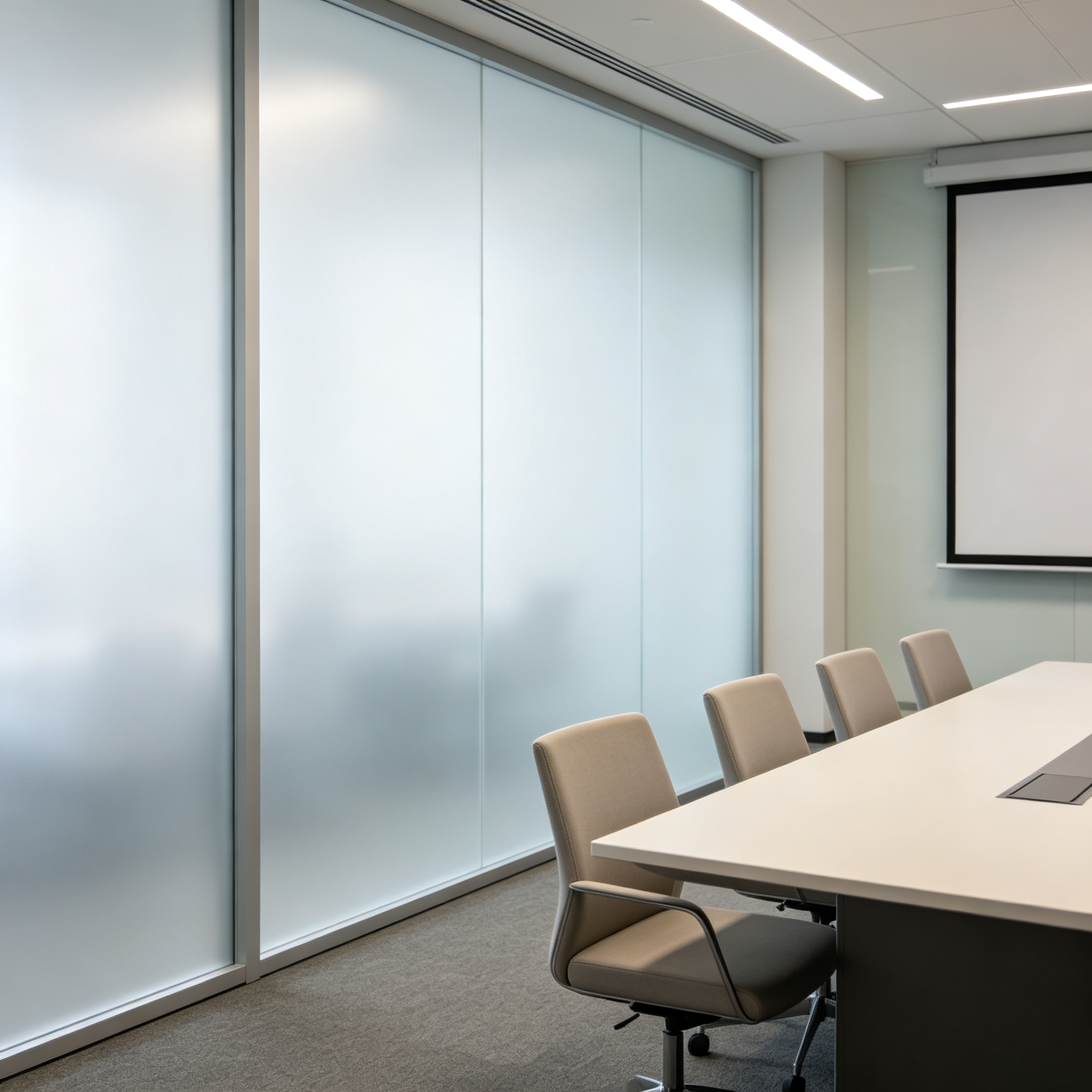
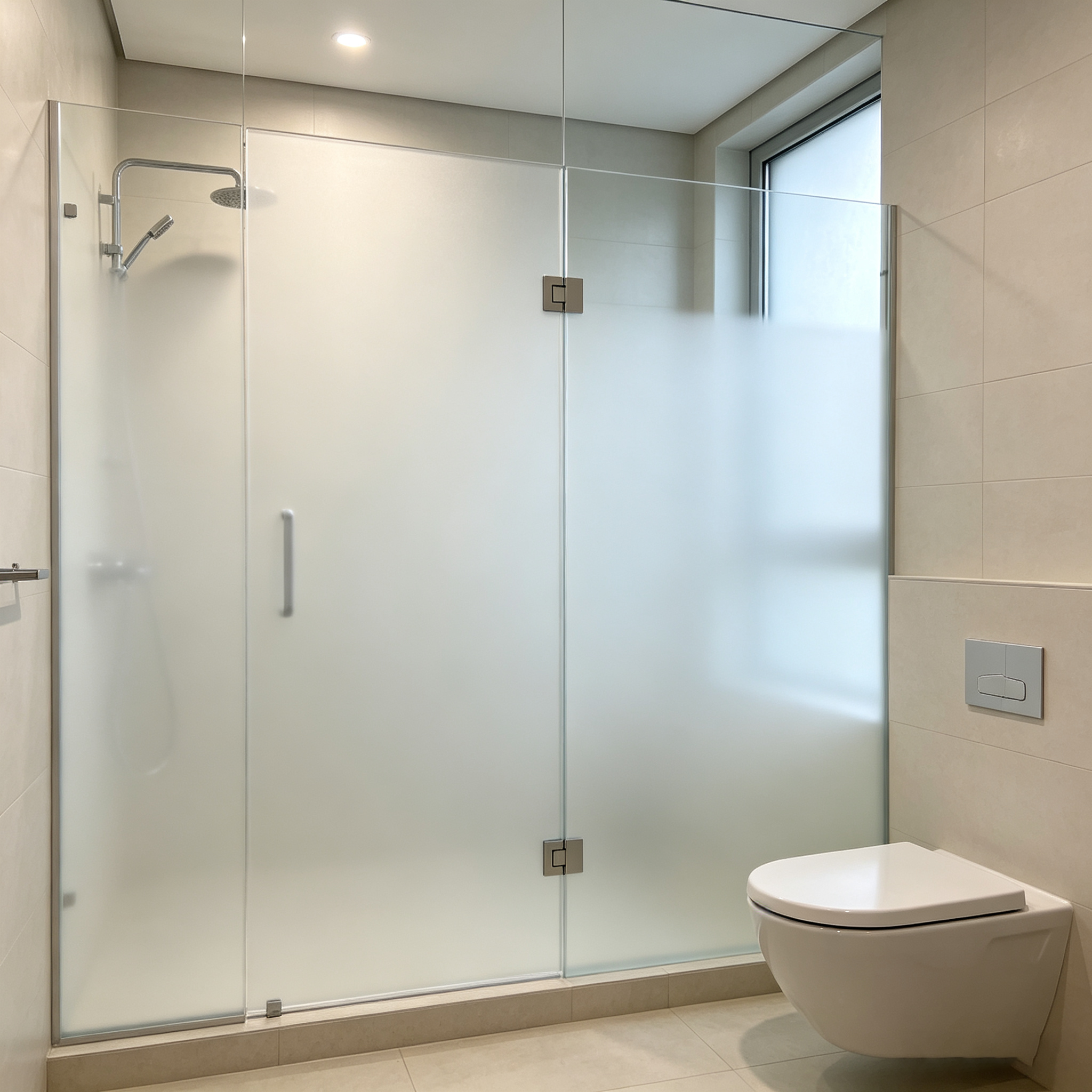
Not all frosted films are created equal. Thinner films may achieve a similar frosted look at first glance, but they tend to bubble, peel, or yellow within a year or two of installation. China thickened window frosted film products use a heavier base layer, which improves scratch resistance and helps the film maintain its adhesion to glass surfaces even in humid or high-traffic environments like bathrooms and storefronts.
Manufacturers with decades of formulation experience, such as Guangdong Mr.Film, have refined coating processes to balance opacity with light transmission. A well-made thickened film diffuses light evenly across the surface rather than creating patchy or uneven frosting, which is a common flaw in low-quality products.
Privacy is the primary reason most people install frosted film, and thickness plays a direct role in how effective that privacy actually is. Thinner films can appear translucent under bright light, especially at night when interior lighting is stronger than what's coming through from outside. A thickened film maintains consistent opacity regardless of lighting conditions, so a bathroom window or glass office door stays private around the clock.
This consistency matters most in spaces where privacy is non-negotiable: ground-floor windows facing the street, shared office glass walls, and shower enclosures. Buyers researching a China frosted privacy window film supplier should ask specifically about light-transmission testing under both daytime and nighttime conditions, since this detail separates genuinely reliable products from ones that only look good in a showroom.


Durability is where thickness pays off the most. Standard frosted films typically last one to three years before showing signs of degradation, particularly along the edges where moisture can seep in. Thickened films, by contrast, are engineered to resist curling, cracking, and fading for significantly longer, making them a better long-term investment even if the upfront cost is slightly higher.
Quality control also plays a role here. Production facilities that operate dust-free manufacturing environments and use automated coating machinery produce films with fewer defects and more even adhesive distribution. Guangdong Mr.Film, for example, has spent more than 27 years refining its coating processes and holds over 100 authorized intellectual property rights related to film technology, reflecting a level of R&D investment that directly translates into better real-world performance.
Frosted film isn't limited to plain, uniform opacity anymore. Patterned designs, ranging from geometric etchings to subtle textures resembling sandblasted or rice-paper glass, allow designers to add visual interest while still achieving privacy goals. Some patterns are engineered to catch light in decorative ways, turning a functional window treatment into a genuine design statement.
For businesses looking to source in bulk, working with a China patterned frosted window film wholesale partner makes it easier to maintain consistent patterns and quality across large orders, whether that's for a hotel renovation, a retail chain, or a corporate office rollout. Custom pattern development is also increasingly available through OEM and ODM services, letting brands create a signature look rather than relying on generic stock designs.
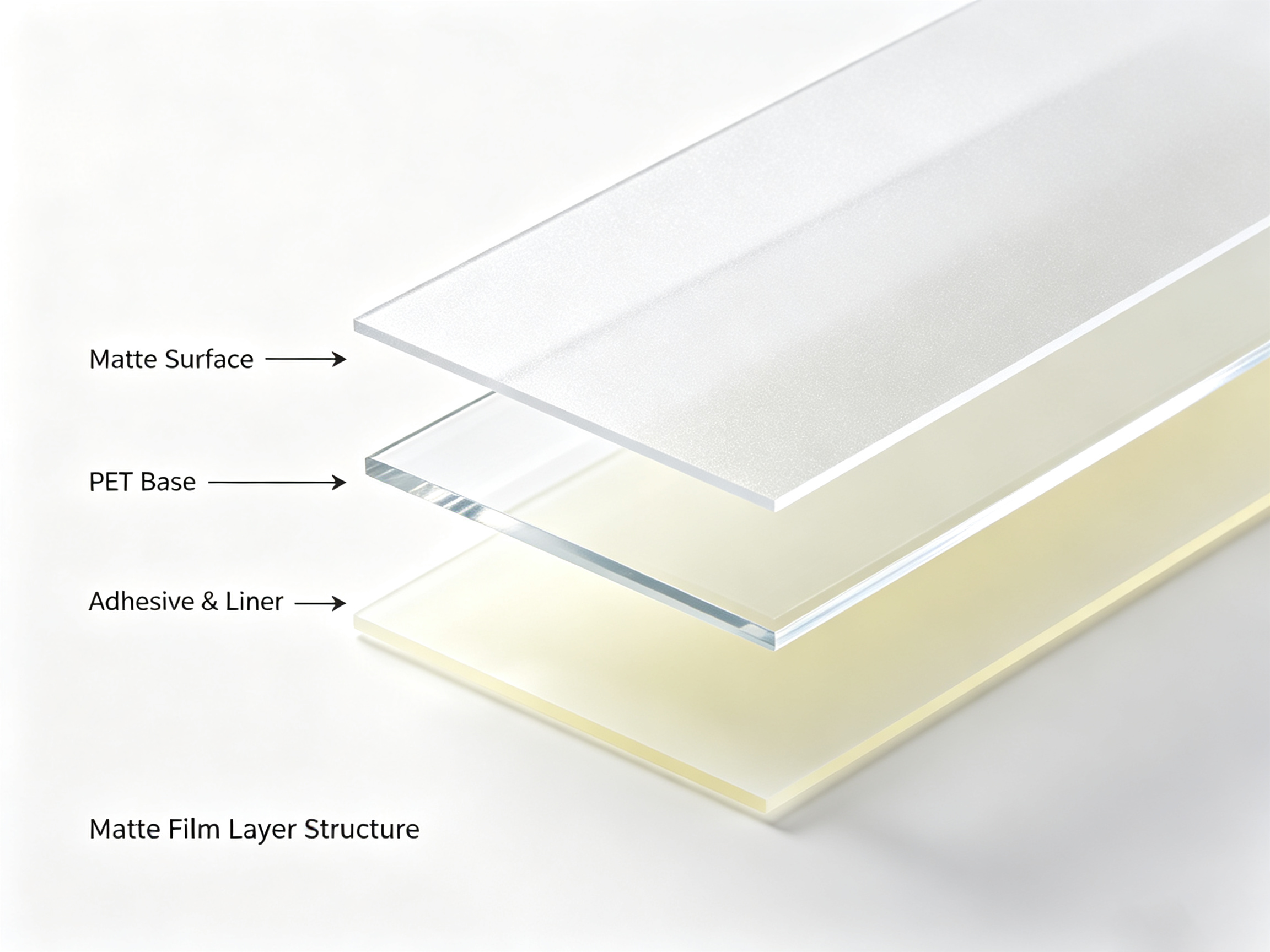
The table below outlines how different frosted film categories generally compare across key performance factors, helping buyers match the right product to their specific project needs.
Film Type | Typical Thickness | Best Use Case | Expected Lifespan |
|---|---|---|---|
Standard Frosted Film | 1.5–2 mil | Temporary or budget projects | 1–2 years |
Thickened Frosted Film | 3–4 mil | Bathrooms, offices, high-traffic areas | 5 years |
| Patterned Decorative Film | 3–5 mil | Design-focused commercial spaces | 3–5 years |
These figures are general industry benchmarks and can vary depending on the specific formulation, installation quality, and environmental exposure.
Selecting the right product comes down to matching thickness and pattern options to the specific demands of the space. A residential bathroom window benefits most from a thickened, moisture-resistant film with consistent opacity. A corporate office, on the other hand, might prioritize a patterned design that reinforces brand identity while still creating separation between meeting rooms and open workspaces.
Buyers should also weigh supplier reliability. Established manufacturers with dedicated R&D centers and a track record of serving glass, shower door, and mirror industry brands tend to offer more consistent quality control than smaller, less specialized producers. Asking for product samples and checking for relevant certifications before committing to a large order is always a worthwhile step.
Thickened frosted window film offers a rare combination: dependable privacy, resistance to everyday wear, and enough design flexibility to suit almost any interior style. Choosing a thicker, well-manufactured film over a cheaper alternative pays off in fewer replacements, more consistent light diffusion, and a finished look that holds up for years rather than months.
Before placing an order, it's worth requesting samples, confirming thickness specifications, and asking suppliers about their production standards. These small steps make it far easier to find a film that fits both the practical and aesthetic needs of any space, whether that's a single bathroom window or a multi-building commercial project.


