
Views: 0 Author: Site Editor Publish Time: 2026-10-23 Origin: Site
No, quality transparent anti-burst film does not yellow under sunlight. Yellowing in window film is primarily caused by UV radiation breaking down the film's adhesive and polyester substrate over time. Many inferior films lose their clear appearance quickly after sun exposure and ruin the overall glass effect. Independent testing of Mr.film's safety films confirms that UV-stabilized constructions maintain optical clarity and resist yellowing for long years under normal exposure conditions.
The key distinction is product quality. Low-quality films using inferior adhesives or unstabilized PET will yellow. Quality films will not. This article explains the mechanism of yellowing, focuses on Mr.Film transparent explosion-proof film and how to evaluate a product before purchase.
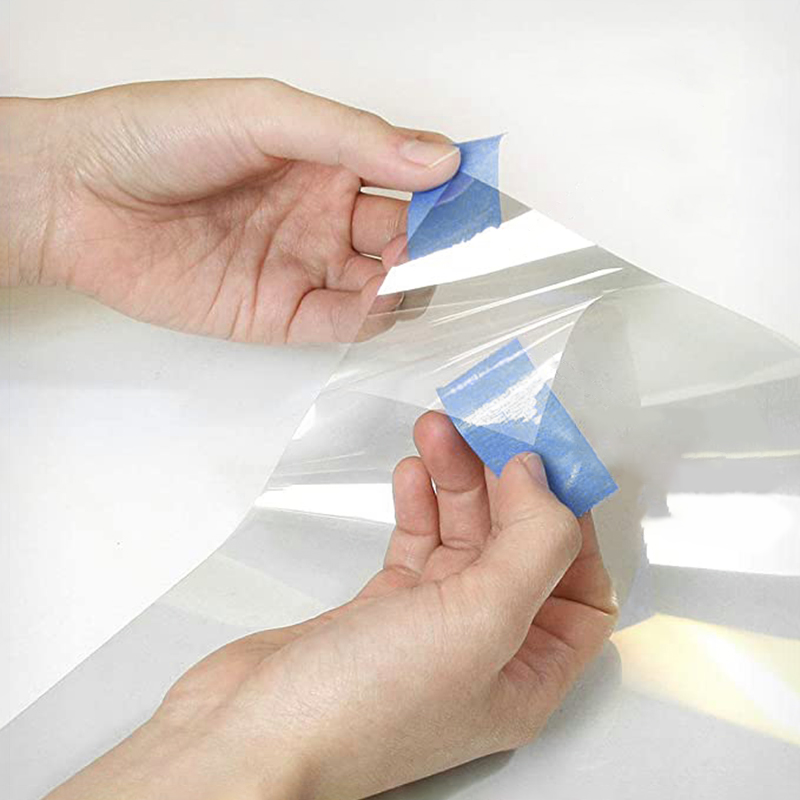
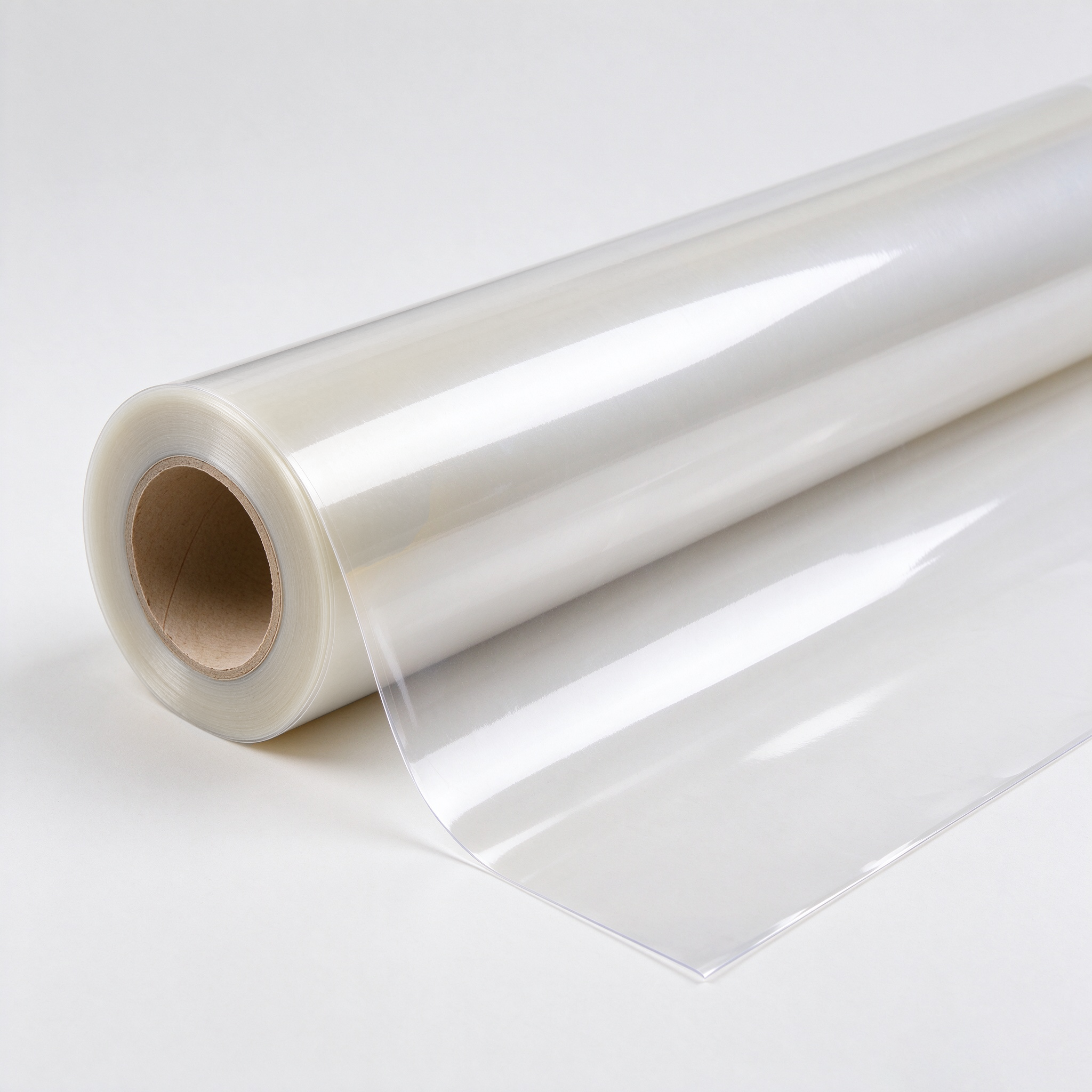
Yellowing is not an inherent property of window film. It is a chemical degradation process triggered by ultraviolet radiation. When Polymer films are exposed to ultraviolet light, heat, oxygen, and moisture over time. These factors can break polymer bonds, change the molecular structure of the film or its adhesive layer, making a once-clear surface look slightly yellow or hazy. The adhesive layer is typically the most vulnerable component. Lower-quality adhesives lack UV stabilizers and degrade more rapidly.
Quality explosion-proof films incorporate UV absorbers and stabilizers into both the adhesive and the PET substrate. These additives intercept UV photons before they can break polymer bonds. The energy is dissipated harmlessly rather than causing chemical damage.
So, not all transparent films yellow at the same speed. Low-quality dye-based or poorly stabilized films may show visible discoloration within months, especially in strong sunlight. High-quality PET-based safety films with proper UV stabilizers can remain visually clear for years.
Many buyers assume yellowing only happens on exterior glass or in direct sunlight. In practice, interior films are not immune to UV degradation. Standard window glass blocks most UVB radiation but transmits a significant portion of UVA. UVA has a longer wavelength and deeper penetration. It passes through glass and continues to irradiate the film's adhesive and substrate over years of service. In addition, indoor heat, air conditioning cycles, humidity, and artificial lighting can gradually affect the film and its adhesive layer. So, Interior films installed in these conditions face meaningful UV stress even though they are not outdoors. The degradation mechanism is identical. Only the rate is slower.


Item | Mr.Film Transparent Explosion-proof Film | Ordinary Unstabilized Explosion-proof Film |
Base material | Optical grade stabilized PET | General PET without integrated UV stabilizer |
UV blocking rate | ≥99% for 280–400 nm UV | 70%–85% UV blocking |
ΔYI after 2000h QUV | ≤1.4 | ≥4.2 |
Visible yellowing | Not visible | Obvious yellow tint |
Core stabilizer | Built-in HALS light stabilizer | Only surface coating UV absorber |
Authoritative material research notes that single surface UV coating will gradually lose protective effect after long-term sunlight and cleaning friction, while bulk doping stabilizer maintains stable anti-yellowing performance.
At Mr.Film, we explain transparent explosion-proof film performance through material logic and measurable parameters:
PET-based construction for stable optical clarity
UV-blocking design to reduce short-wave UV damage
Optically clear adhesive to limit glue-layer yellowing
Consistent thickness control for reliable strength and appearance
Batch-level quality checks before shipment
Mr. Film's transparent explosion-proof film is engineered for both safety performance and long-term optical stability. The following advantages distinguish it from standard safety films:
Advantage | Detail |
99% UV rejection | Protects interior furnishings from fading while shielding the film itself from UV degradation |
No-yellowing adhesive | Environmental high-transparency adhesive documented to resist yellowing, warping, and odor |
Optical-grade PET substrate | Maintains clarity with haze below perceptible levels, preserving natural light |
High peel strength | Secure adhesion to glass without lifting or bubbling over service life |
4-12 mil construction | Thick enough for reliable shatter containment without excessive weight or rigidity |
Nanocomposite coating | Adds heat resistance and easy-clean surface properties |
Interior and exterior compatibility | Same UV-stabilized formulation performs in both applications |
These advantages matter because explosion-proof film serves two functions simultaneously. It must hold glass together under impact, and it must remain optically clear for years. A film that yellows compromises both. Mr. Film's formulation addresses both requirements through material selection and adhesive chemistry, not through a post-installation coating that can wear away.
We emphasize that no polymer material can maintain zero change forever under sunlight. Will never turn yellow is an exaggerated statement. Mr.Film's accurate promise is longer in use under standard use environment.


Evaluation Point | What to Look For |
UV rejection specification | 99% or higher indicates UV-stabilized construction |
Adhesive description | Optical-grade or environmental high-transparency adhesive |
Substrate material | Optical-grade PET, not commodity-grade or PVC |
Warranty terms | Explicit coverage against yellowing |
Product documentation | No yellowing listed as a characteristic |
Interior-specific claims | UV stability stated for interior applications |
Q: How is yellowing different from dirt or surface haze?
A: Yellowing is a chemical change within the film's adhesive or substrate caused by UV degradation. It cannot be cleaned away. Surface haze or dirt is temporary and removable with proper cleaning. If the film appears yellow after cleaning, the yellowing is internal and permanent.
Q: Can I test for yellowing resistance before full installation?
A: Yes. Request a sample and place it in direct sunlight for several weeks. Quality films will show no visible change. Low-quality films may begin to yellow or haze within this period. For interior applications, place the sample in the actual window where the film will be installed. This replicates the transmitted UVA exposure the film will experience.
Q: What cleaning methods are suitable for Mr.Film film?
A: Neutral glass cleaners are safe for daily maintenance. Strong alkaline cleaners may damage the top coating. We provide cleaning guidance documents for all our project customers.
Q: What factors will affect the service life of Mr.Film film?
A: Sustained extreme high temperature together with intense UV, frequent abrasive dust friction and improper chemical cleaning will accelerate aging. Our team will evaluate the installation environment and give suggestions before each large project.
Q: Will indoor transparent film stay clear forever?
A: No organic film is completely immune to aging. High-quality PET films with proper UV and adhesive design can maintain clarity much longer.
Q: Does Mr.Film provide explosion-proof performance?
A: Yes. Our transparent explosion-proof films are designed to improve glass safety by helping hold fragments together after impact. Exact performance should be confirmed by product specification and applicable test reports.


