
Views: 0 Author: Site Editor Publish Time: 2026-02-27 Origin: Site
Yes, privacy window film can significantly reduce heat entering your home or office. While its primary function is often to limit visibility, many modern privacy films are engineered with advanced materials that actively block and reject solar heat. This dual functionality makes them a practical investment for improving both comfort and energy efficiency.
Privacy films achieve heat reduction through selective filtering of the sun's energy. The sun's radiation consists of visible light, infrared rays (the primary source of heat), and ultraviolet rays. High-quality privacy films are designed to reflect or absorb a substantial portion of infrared radiation before it passes through the glass and heats your interior space . This process, often called solar control, keeps rooms noticeably cooler without necessarily darkening them excessively .
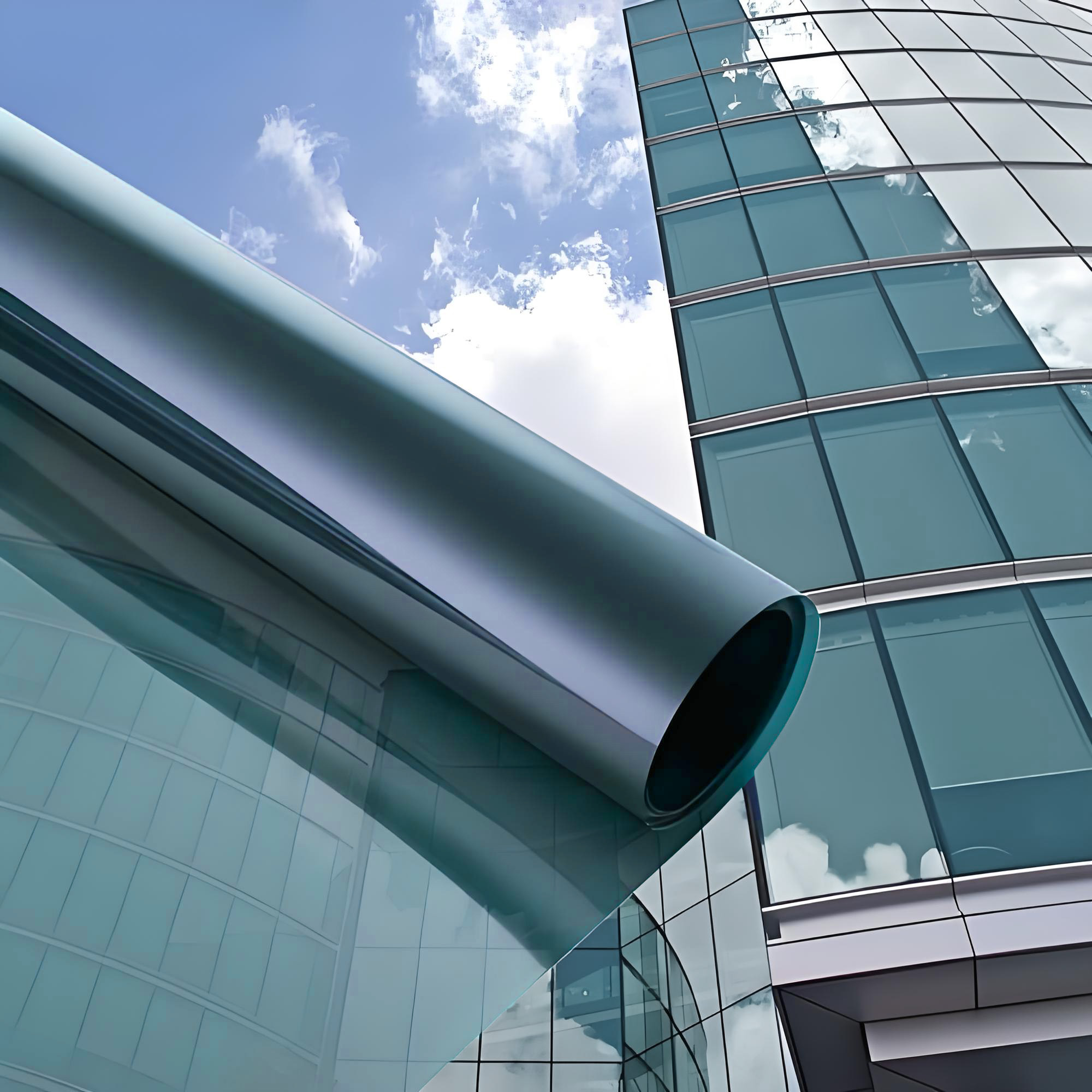
Different privacy films use different mechanisms to manage heat. Reflective films contain thin metallic layers that bounce solar energy away from the glass, offering excellent heat rejection with a mirrored exterior appearance . Absorptive films, such as those using dyed or carbon layers, soak up heat within the film itself . Premium options like ceramic films use non-metallic nanoparticles to selectively absorb infrared heat while maintaining high visibility and clarity . These advanced films reject heat effectively without interfering with electronic signals or creating excessive reflectivity.

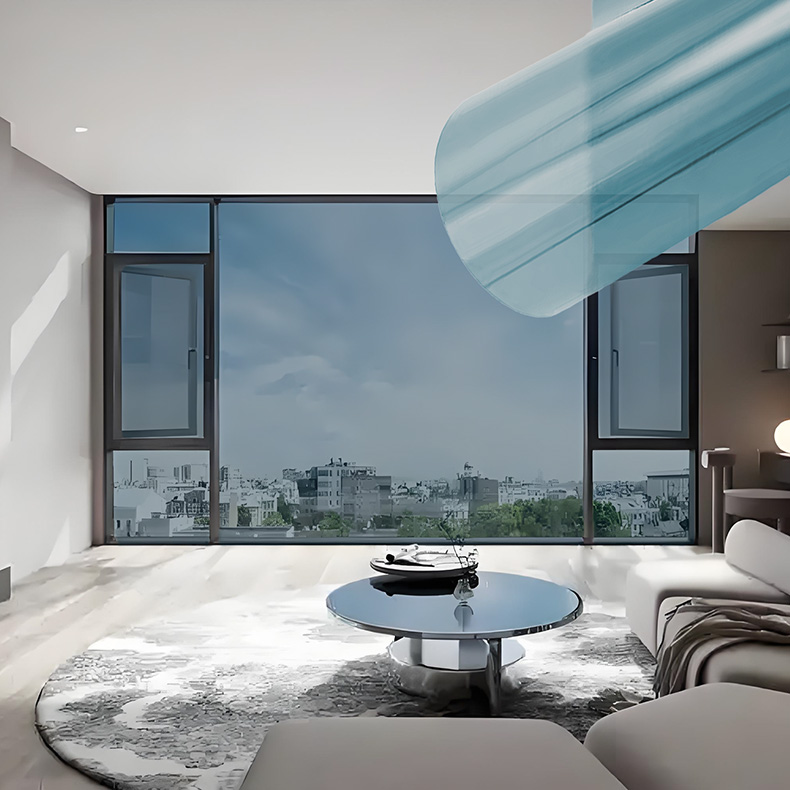
The heat reduction capability of privacy film is measurable and significant. Many quality films reject between 85% to 88% of infrared rays, which translates directly to a cooler interior environment . Some high-performance films can achieve total solar energy rejection rates of over 80%, dramatically reducing the amount of heat that enters through glass . This reduction lessens the workload on air conditioning systems, leading to lower energy bills and improved comfort during hot seasons .
Beyond heat reduction, privacy films deliver several related advantages that enhance overall comfort and protection. They block over 99% of harmful UV rays, protecting occupants' skin and preventing interior furnishings from fading . They also reduce glare significantly—by over 80% in some cases—making it easier to view screens and reducing eye strain . Furthermore, by adding an insulating layer to glass, they can help retain indoor heat during colder months, contributing to year-round energy efficiency .
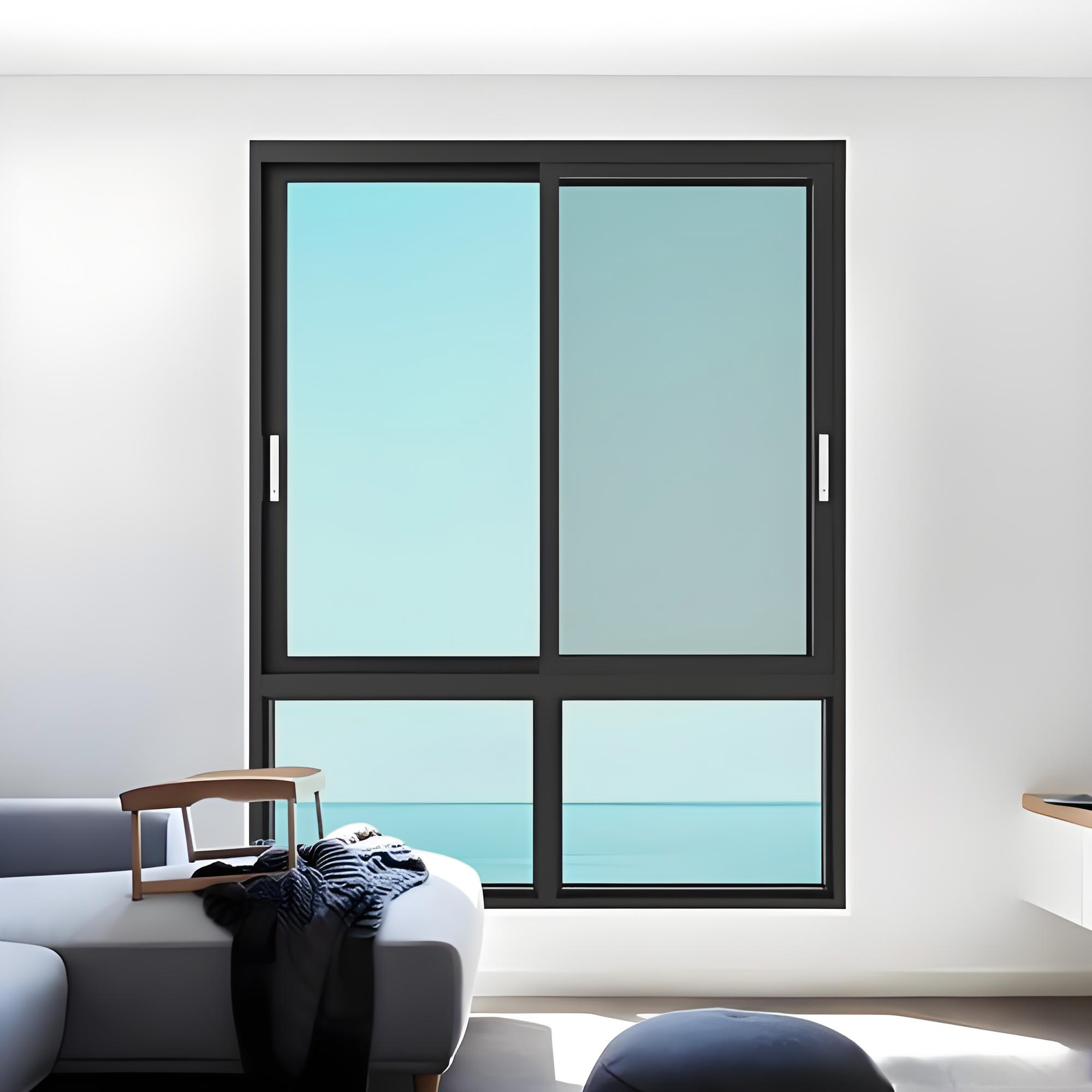
Ceramic Film Attribute | How It Performs |
Heat Rejection | Very High (blocks 85%+ of infrared rays) |
UV Protection | Excellent (blocks >99% of harmful UV) |
Glare Reduction | High, without excessive darkness |
Signal Compatibility | No interference with GPS or phones |
Appearance | Clear, non-reflective, natural look |
Q: How much cooler will a room be after installing privacy film?
A: While the exact temperature drop depends on window size, orientation, and climate, users often report a noticeable difference in comfort. By rejecting 80% or more of solar heat energy, the film prevents the "greenhouse effect" that turns sun-exposed rooms into hot zones, allowing air conditioning to maintain temperature more effectively .
Q: Does a darker privacy film always provide better heat reduction?
A: Not necessarily. Heat rejection is primarily a function of the film's technology and construction, not its visible darkness. A high-quality, lighter ceramic film can often outperform a very dark, basic dyed film in blocking heat while maintaining better outward visibility .
Q: Can privacy film help with energy bills year-round?
A: Yes. By reducing solar heat gain in summer, the film lowers cooling costs. Additionally, many films add an insulating layer to the glass, which can help retain interior heat during winter, reducing heating demands and providing year-round energy benefits.


