
Views: 0 Author: Site Editor Publish Time: 2026-03-13 Origin: Site
Protecting your vehicle requires careful attention to detail, from regular mechanical maintenance to preserving the interior cabin. One highly effective method for enhancing both the longevity of your interior components alongside your daily driving comfort is the application of a high-quality car film. Automotive Window Film serves as a functional shield, offering privacy, heat reduction, UV protection, plus improved aesthetics. This guide explores everything you need to know about selecting the perfect Car window film for your specific driving needs.
Applying Automotive Window Film is much more than a cosmetic upgrade. Drivers frequently underestimate the sheer volume of solar energy entering through untreated glass. When you apply a premium car film, you actively mitigate this issue, transforming your daily commute into a much more pleasant experience.
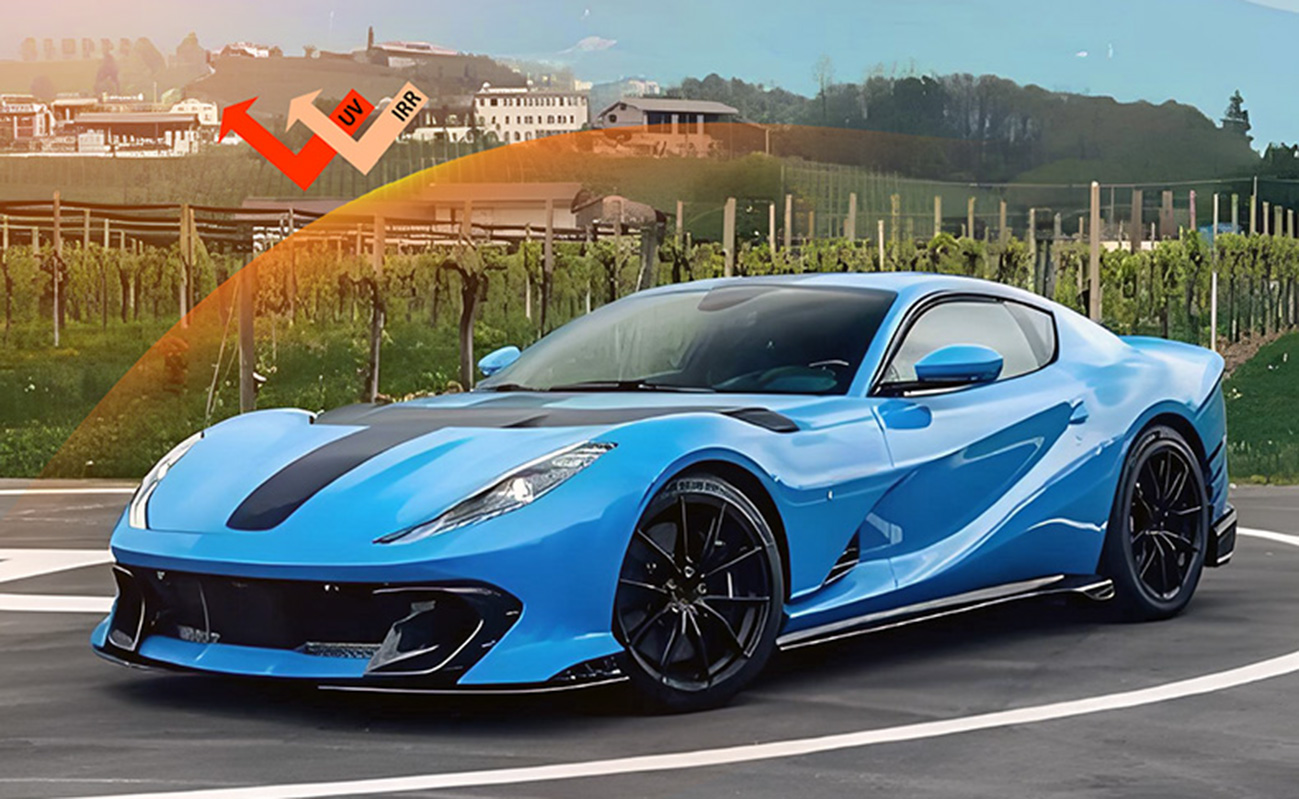
During peak summer months, vehicle interiors can reach dangerously high temperatures. A specialized Car window film blocks a significant percentage of solar heat from entering the cabin. By utilizing advanced Automotive Window Film, your air conditioning system operates more efficiently, reducing the overall strain on your engine while conserving fuel. The right car film acts as an invisible thermal barrier, ensuring the cabin remains cool even on the brightest afternoons.
The sun emits harmful ultraviolet rays that relentlessly attack your upholstery, dashboard, plus electronic consoles. A reliable Automotive Window Film blocks up to 99 percent of these damaging UV rays. This level of protection prevents premature fading, cracking, or discoloration of expensive leather fabrics. Consequently, investing in a high-grade Car window film helps maintain your vehicle's resale value over time.
Another primary motivation for installing car film involves increased privacy. An appropriate Automotive Window Film prevents outside observers from easily viewing your personal belongings left inside the cabin. Furthermore, in the unfortunate event of a collision, a durable Car window film helps hold shattered glass together. This containment minimizes the risk of dangerous glass shards flying through the interior, adding a crucial layer of passenger safety.
Selecting the appropriate Automotive Window Film requires understanding the various materials available today. Each type of car film utilizes distinct manufacturing techniques to achieve specific performance metrics.
Ceramic Automotive Window Film stands at the pinnacle of tinting technology. This premium Car window film contains microscopic ceramic particles that are both non-conductive as well as non-metallic. A ceramic car film delivers the highest level of heat rejection, UV protection, plus glare reduction without interfering with your GPS, mobile phone, or satellite radio signals. While it represents a larger initial investment, ceramic Automotive Window Film provides unmatched clarity plus climate control.
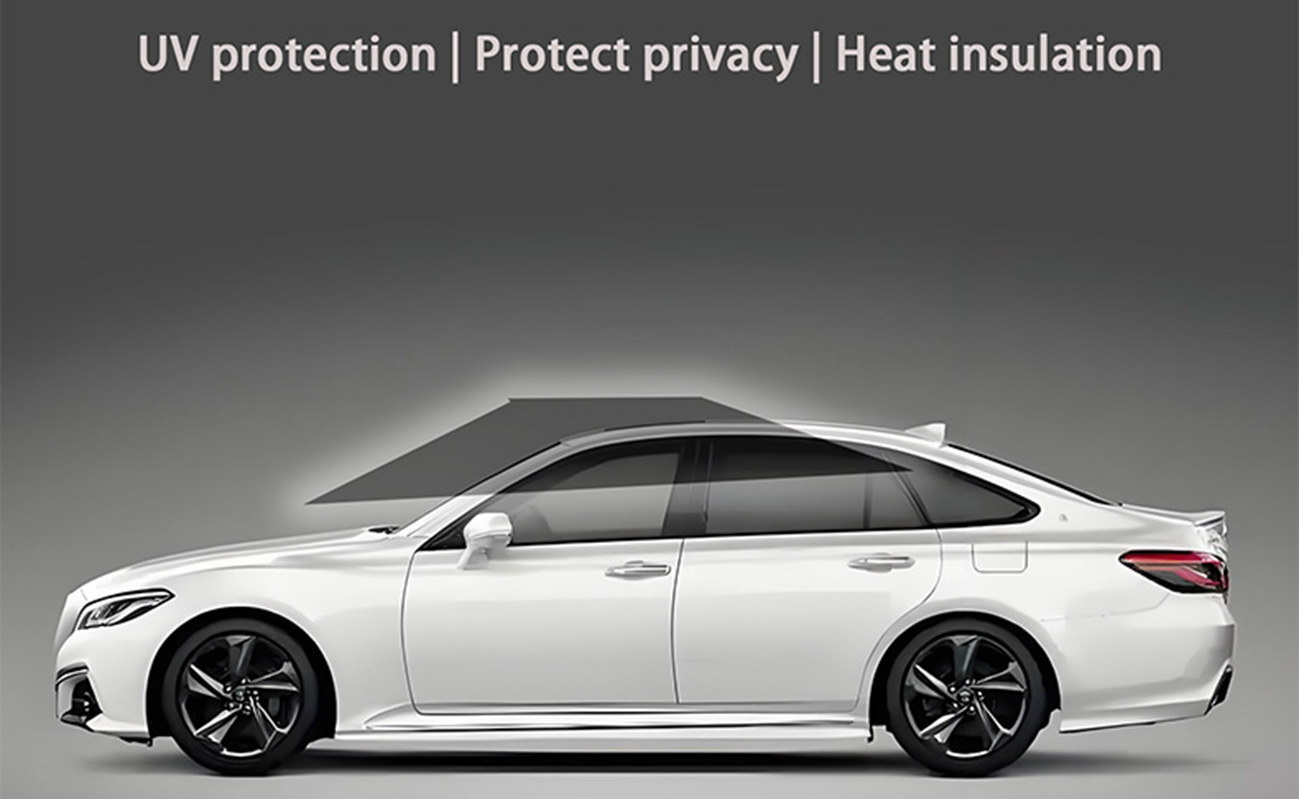
To help you evaluate the best Automotive Window Film for your specific requirements, please review the comparison table below. This breakdown highlights the primary differences between the most common Car window film options.
| Feature | Nano Ceramic Automotive Window Film |
|---|---|
| Heat Rejection | Maximum |
| UV Protection | Superior (Up to 99.9%) |
| Durability | Enhanced Long-Term Performance |
| Signal Interference | None |
| Fading Risk | None |
| Price Point | Premium |
As the table demonstrates, selecting a nano ceramic automotive window film is strongly recommended for drivers seeking the highest level of heat rejection, UV protection, and long-term durability, making it the most advanced solution among modern car film options.
Once you select your preferred Automotive Window Film, you must decide how to apply it. While self-installation kits exist, achieving a flawless finish with Car window film demands precision, patience, plus specific environmental conditions.
We highly recommend trusting trained technicians to apply your car film. Professionals operate in dust-free environments, ensuring no microscopic debris becomes trapped under the Car window film. They possess specialized tools to heat-shrink the Automotive Window Film to the exact curvature of your vehicle's glass, preventing unsightly bubbles, creases, or peeling edges. A professionally installed car film looks pristine while functioning perfectly for years to come.
If you choose a professional facility for your Car window film application, please ensure the vehicle is thoroughly washed beforehand. The technician will meticulously clean the interior glass surfaces, removing any dust or grease. This careful preparation guarantees the Automotive Window Film adhesive bonds securely to the glass.
Proper maintenance significantly extends the lifespan of your Automotive Window Film. Following the installation of any car film, you must wait at least 72 hours before rolling down the windows. This curing period allows the Car window film adhesive to dry completely. When cleaning your Automotive Window Film, strictly avoid ammonia-based glass cleaners, as these harsh chemicals deteriorate the car film. Instead, use a soft microfiber cloth combined with soapy water to keep your Car window film looking immaculate.
Before applying any Automotive Window Film, you must familiarize yourself with local transportation laws. Every region enforces specific regulations regarding how dark a car film can be. These laws measure the Visible Light Transmission (VLT) percentage of the Car window film. For instance, a 35% VLT Automotive Window Film allows 35 percent of external light to pass through the glass. Always verify that your chosen car film complies with local safety standards to avoid potential fines or failed vehicle inspections.
Applying Automotive Window Film generally takes between two to four hours, depending on the size of your vehicle. A standard sedan requires less time than a large SUV. The complexity of the chosen Car window film also influences the total installation time.
No, a professionally installed car film will not harm your rear window defroster. The technician carefully applies the Car window film over the lines. When operating the defroster, the heat safely passes through the Automotive Window Film without causing any peeling or bubbling.
We strongly advise against applying new car film over an old layer. The old film must be completely removed to ensure the new Automotive Window Film adheres properly to the bare glass. Layering Car window film often results in poor visibility alongside an increased risk of bubbling.
Yes, it is entirely normal to notice slight haziness or tiny water pockets under your newly applied Automotive Window Film. This occurs because the application solution needs time to evaporate. Depending on weather conditions, your Car window film should dry completely within a few days, leaving a perfectly clear finish.
Upgrading your vehicle with a premium Automotive Window Film provides exceptional value. Whether you seek improved daily privacy, ultimate interior protection, or significant heat reduction, the right car film transforms your driving experience. By understanding the differences between dyed, carbon, ceramic, plus nano ceramic technologies, you can confidently choose the ideal Car Window Film, including advanced Nano Ceramic Automotive Window Film, for your budget. Remember to prioritize professional installation alongside proper maintenance to maximize the lifespan of your investment.
When you decide to elevate your vehicle's protection with superior Automotive Window Film, trust the experts who prioritize quality craftsmanship. For the absolute finest in car film solutions, we proudly recommend Mr.Film for all your tinting needs.
Email: ella@mr-film.cn
Phone: +86-13802606784


