
Views: 0 Author: Site Editor Publish Time: 2026-05-14 Origin: Site
Glass surfaces are some of the most vulnerable parts of any commercial or residential building. Constant exposure to the elements, potential vandalism, and intense solar heat can easily damage unprotected windows and doors. Property owners frequently spend thousands of dollars replacing scratched or ruined glass, when a simple preventative measure could have stopped the damage entirely.
Advanced coating technologies now provide a highly effective shield for these fragile surfaces. Modern manufacturing techniques have evolved dramatically over the past two decades, resulting in thin, durable layers that offer robust protection against impacts, chemical etching, and severe weather conditions. Companies with decades of experience in the industry have developed solutions that apply seamlessly to existing glass, rendering the protective barrier completely invisible to the naked eye.
Beyond simple protection, these specialized layers offer significant lifestyle and economic benefits. They block harmful ultraviolet radiation, reduce glare on computer screens, and help stabilize indoor temperatures during extreme weather. Understanding the different types of available coatings will help you make an informed decision for your specific architectural needs, ensuring your property remains secure, energy-efficient, and visually appealing.

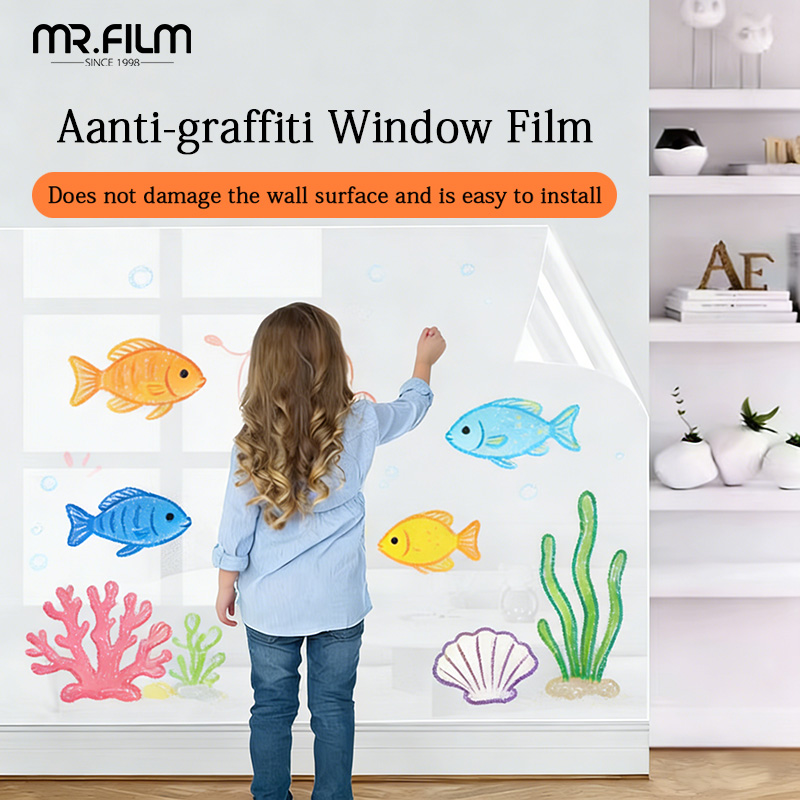
Vandalism remains a persistent issue for ground-floor retail spaces, public transportation hubs, and urban office buildings. Replacing a large pane of storefront glass due to scratches, acid etching, or paint requires a substantial financial investment and disrupts daily operations. Protective barriers act as a sacrificial layer that absorbs the damage meant for the glass underneath.
If a vandal targets your property, the superficial layer takes the brunt of the abuse. Maintenance teams can easily remove and replace an anti-graffiti window film at a fraction of the cost of replacing the actual window. This specific solution utilizes heavy-duty polyester compounds that resist tearing and peeling, ensuring the underlying surface remains pristine even after aggressive tampering.
Manufacturers have heavily invested in research and development to create adhesives that hold firm during impacts but release cleanly during intentional removal. This means zero sticky residue is left behind when swapping out a damaged layer for a fresh one. By implementing this preventative strategy, business owners maintain a professional, welcoming facade for their customers without worrying about random acts of property damage.
Solar heat gain puts immense pressure on air conditioning systems during the summer months. Windows naturally allow thermal energy to pass into your living or working space, creating uncomfortable hot spots and driving up electricity bills.
Applying a Window Thermal Tint significantly mitigates this heat transfer. The technology works by reflecting infrared light away from the glass before it can enter the room. Residents often notice an immediate drop in interior temperatures, allowing HVAC units to run less frequently. This reduction in energy consumption directly translates to lower utility costs and a smaller carbon footprint for the building.
Furthermore, blocking solar radiation prevents the fading of expensive interior furnishings, hardwood floors, and artwork. The advanced materials used in these energy-saving barriers reject up to 99% of damaging UV rays while still allowing plenty of natural visible light to brighten the room. You enjoy expansive, unobstructed views of the outdoors without suffering the negative consequences of direct sunlight.
Privacy and interior design are just as important as exterior protection and energy efficiency. Open floor plans and abundant interior glass create a modern, airy feel, but they often lack the necessary seclusion for bathrooms, conference rooms, or private offices.
Instead of installing bulky curtains or heavy blinds that collect dust, you can apply a shower glass decorative film to achieve instant privacy. These elegant layers come in various textures, such as frosted, reeded, or geometric patterns, allowing light to pass through while obscuring the view. They transform plain panels into sophisticated architectural elements that complement any interior design scheme.
These aesthetic upgrades are highly resilient to moisture and humidity, making them perfect for wet environments. The specialized adhesives prevent peeling or bubbling over time, maintaining a clean, high-end appearance for years. Property managers and homeowners appreciate the flexibility to change the design easily during renovations, avoiding the high cost of purchasing custom-etched or sandblasted panels.


Choosing the right solution depends entirely on your primary goal, whether that involves security, climate control, or visual enhancement. The table below outlines the basic characteristics of various common treatments to help you evaluate which option suits your specific requirements.
Layer Type | Primary Function | Ideal Location | Key Benefit |
Security Barrier | Vandalism protection | Storefronts, public transit | Easy replacement, saves replacement costs |
Solar Deflector | Heat reduction | Residential and office facades | Lowers energy bills, blocks UV rays |
Frosted Layer | Privacy enhancement | Bathrooms, conference rooms | Allows natural light while blocking views |
Wood Grain Texture | Furniture upgrading | Interior walls, cabinets | Cost-effective aesthetic transformation |
Anti-Fog Coating | Moisture management | Bathroom mirrors, saunas | Maintains clear visibility in high humidity |
It depends on the environment. Exterior applications facing harsh sunlight or severe weather may require replacement sooner than interior applications. Proper maintenance and regular cleaning with non-abrasive materials will significantly extend the lifespan of the installation.
Modern technology allows for high heat rejection without requiring a heavily darkened appearance. You can choose clear or lightly tinted options that block infrared and UV light while maintaining high visible light transmission. Your rooms will remain bright and welcoming, completely free from the intense heat and glare associated with untreated windows.
Most products are compatible with standard single-pane and double-pane units. However, applying certain heat-absorbing layers to specific types of tempered or low-E glass can cause thermal stress. It is highly recommended to consult with a professional supplier who understands the thermal properties of different materials to ensure complete compatibility and safety.
While small, decorative projects can be handled as a do-it-yourself endeavor, large-scale installations require professional expertise. Trained technicians have the specific tools and experience necessary to prevent bubbles, creases, and trapped dust particles. Professional installation also typically guarantees the manufacturer's warranty remains valid.
Once fully cured, these protective layers are incredibly easy to maintain. You simply use a soft, clean cloth or a synthetic sponge accompanied by a mild, non-ammonia soapy water solution. Abrasive scrubbing pads, harsh chemicals, and paper towels should be avoided, as they can scratch the hard-coat finish over time.
Taking proactive steps to safeguard your property yields long-term financial and practical rewards. Modern surface technologies offer an elegant, multifaceted approach to managing building maintenance, improving occupant comfort, and enhancing overall aesthetics.
By partnering with an experienced manufacturer that prioritizes research, development, and stringent quality control, you ensure that your investment will perform flawlessly for years to come. Evaluate your specific vulnerabilities—whether they involve unwanted heat, a lack of privacy, or the threat of exterior damage—and select the appropriate defense. Reach out to a certified supplier today to explore the wide range of available options and take the first step toward a more secure, efficient, and beautiful space.


