
Views: 0 Author: Site Editor Publish Time: 2026-06-15 Origin: Site
TL;DR:
China decoration film is a self-adhesive surface material used to transform the appearance of glass, furniture, and walls without replacing them. Available in wood grain, marble, metallic, and frosted finishes, it offers a cost-effective and reversible alternative to full renovations, widely used in both residential and commercial interior design.
Surface makeovers used to mean costly renovations—new tiles, replacement panels, or full refinishing. That's no longer the case. The global market for decorative surface films has grown rapidly, and manufacturers in China have become key players in supplying high-quality options to contractors, designers, and distributors worldwide.
From glass privacy films to wood-effect wraps for cabinetry, china decoration film covers a wide range of applications that didn't exist in mainstream interiors just a decade ago. This post breaks down what decoration film is, how it's used, what materials it's made from, and what to look for when choosing a supplier.
Decoration film comes in a broad range of visual styles and functional formats. The most widely used categories include:
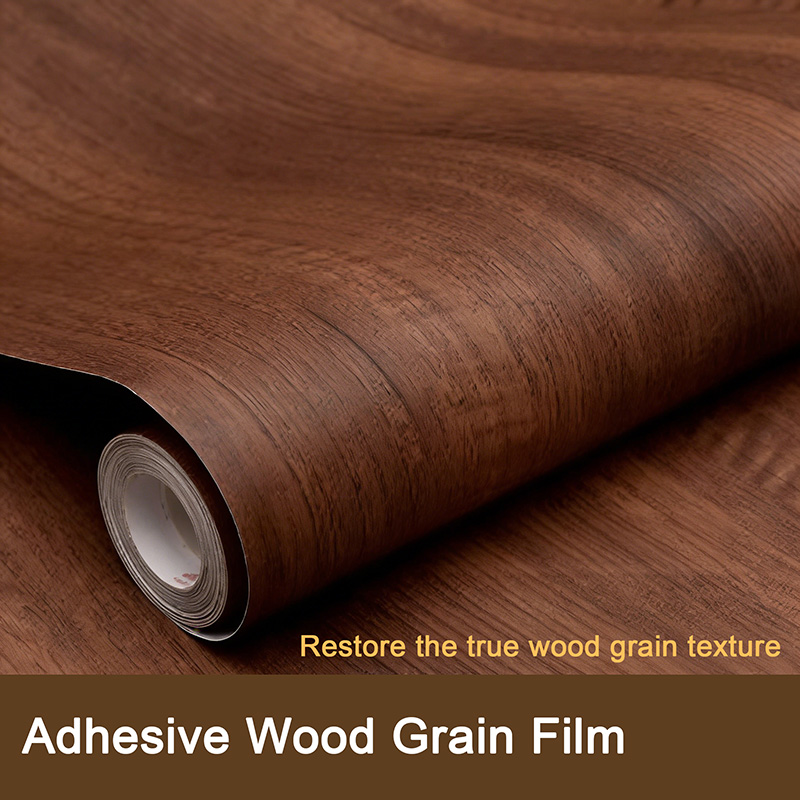
Wood grain film — mimics the texture and color of natural timber on surfaces like cabinet doors, shelving, and wall panels
Marble film — replicates stone patterns for countertops, furniture edges, and wall accents
Frosted and etched film — used on glass surfaces for privacy without blocking light
Metallic film — gives surfaces a brushed or mirrored finish
Solid color film — flat, matte, or gloss finishes for clean, minimal aesthetics
Each type is manufactured to serve a specific design outcome. Some are purely decorative, while others carry functional properties like UV resistance, scratch resistance, or anti-fingerprint coatings.
Decoration film is applied directly to existing surfaces using pressure-sensitive adhesive. This means no glue, no primer, and no professional installation in most cases. The film bonds cleanly and can be removed or replaced without damaging the substrate—making it especially useful for rental properties, retail fitouts, and office environments that need periodic refreshes.
In residential settings, the most common applications are:
Kitchen cabinet and wardrobe door wraps
Glass partition films for bathrooms or home offices
Feature wall panels with marble or wood grain effects
Furniture resurfacing for tables, shelving, and drawer fronts
Commercial applications are broader. Hotels apply marble and metallic films to lobby surfaces and elevator interiors. Retailers use frosted and branded films on storefront glass. Corporate offices use frosted films for meeting room privacy. A reliable decor film supplier provides films with consistent color batching and performance data to meet the specific demands of large-scale projects.
The table below summarizes the most common decoration film types, their typical substrates, and key use cases:
Film Type | Common Substrates | Typical Use Case |
Wood Grain Film | MDF, PVC, plywood | Cabinet doors, wall panels, furniture |
Marble Film | Glass, wood, acrylic | Countertops, table surfaces, wall accents |
Frosted Film | Glass | Partitions, shower doors, office windows |
Metallic Film | Metal, glass, wood | Lift interiors, furniture trims, feature walls |
Solid Color Film | PVC, MDF, glass | Minimal-style interiors, retail fixtures |
Anti-fingerprint Film | Metal, glass | Appliances, handles, screen surfaces |
The base material of a decoration film significantly affects its performance. PVC has historically been the most common substrate, but PET (polyethylene terephthalate) is increasingly preferred in premium applications.
Decoration PET film offers several properties that make it well-suited to demanding environments:
Higher dimensional stability — less prone to shrinkage or expansion with temperature changes
Better optical clarity — ideal for transparent and frosted glass applications
Superior chemical resistance — withstands cleaning agents without discoloring
Thinner profile — can be applied to curved and irregular surfaces more easily
For projects in high-humidity environments like bathrooms and commercial kitchens, PET-based films also offer better moisture resistance than standard PVC alternatives. This makes them a practical choice for long-term installations where durability matters as much as aesthetics.

Choosing decoration film isn't just about picking a pattern. The right film depends on the substrate, the environment, and the expected lifespan of the installation.
Here are the key factors to evaluate:
1. Substrate compatibility
Not all films adhere equally well to every surface. Glass, MDF, powder-coated metal, and laminates each have different surface energies. Confirm adhesion performance with the manufacturer before ordering.
2. Environmental conditions
Films installed in bathrooms, kitchens, or outdoor-facing areas need waterproof adhesive and UV-stable inks. Films for office partitions or furniture face less stress and can prioritize visual finish.
3. Film thickness
Thinner films (below 80 microns) work well on flat, smooth surfaces. Thicker films handle textured substrates and edges better, and tend to be more durable over time.
4. Certifications and compliance
For commercial and export use, look for films that meet relevant safety standards—such as REACH compliance for chemical safety or SGS certification for quality assurance.
5. Minimum order and lead time
Decoration film suppliers in China typically work with both small and large volume orders, but lead times, color matching, and custom printing options vary. Clarify these details before committing to a supplier.
What is the difference between decoration film and wallpaper?
Decoration film uses a pressure-sensitive adhesive designed for hard surfaces like glass, wood, and metal. Wallpaper is made for painted walls only. Decoration film is generally more durable, moisture-resistant, and suitable for a wider range of substrates.
Can decoration film be applied to curved surfaces?
Yes, but film flexibility varies by material and thickness. PET-based films and thinner PVC films conform more easily to curved or irregular surfaces. Always check the manufacturer's minimum bend radius specification.
Is decoration film removable?
Most decoration films are designed to be removable without leaving adhesive residue, provided they are removed correctly and the surface was properly prepared before installation. High-bond adhesive versions may require more effort to remove cleanly.
What should I look for when sourcing from a Chinese decoration film manufacturer?
Look for documented quality certifications (SGS, REACH, ISO), consistent color batching across production runs, a clear product specification sheet, and references from existing export customers. Factories with dedicated R&D teams tend to offer more stable product quality.
Decoration film has moved well beyond niche DIY use. It's now a standard material in commercial fit-outs, residential renovations, and large-scale manufacturing—and China's decoration film industry supplies much of the global demand. Whether the priority is aesthetics, function, or cost efficiency, there's a film product built for the job.
For buyers evaluating options, the most important step is matching film specifications to real-world conditions—not just picking a finish that looks right in a catalog. Request samples, review certifications, and test adhesion before scaling up.


