
Views: 0 Author: Site Editor Publish Time: 2026-07-21 Origin: Site
TL;DR:
Anti-fog film is a thin, functional coating applied to glass surfaces that prevents condensation from forming. Guangdong Mr.Film Photoelectric Technology Co., Ltd (MR.FILM) manufactures and supplies high-performance anti-fog films for windows, mirrors, shower glass, and vehicles—backed by 27+ years of industry experience and 135+ national IP applications.
Fogged-up glass is more than an inconvenience. In a bathroom, it means waiting for the mirror to clear before you can see your reflection. In a vehicle, it's a safety hazard. In a commercial building, persistent condensation on windows signals moisture problems that can damage interiors over time. The good news? There's a straightforward fix.
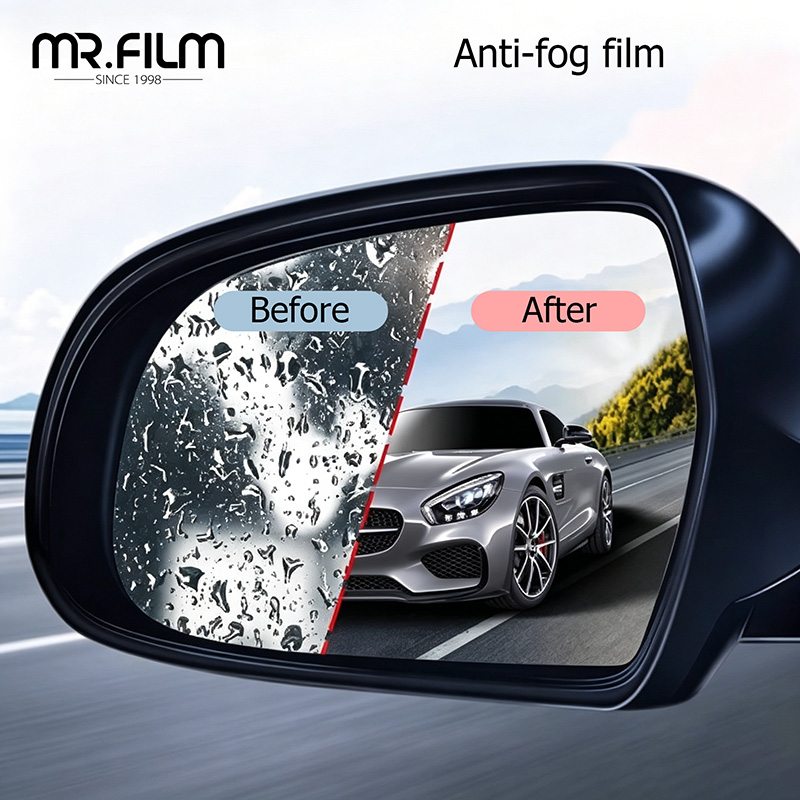
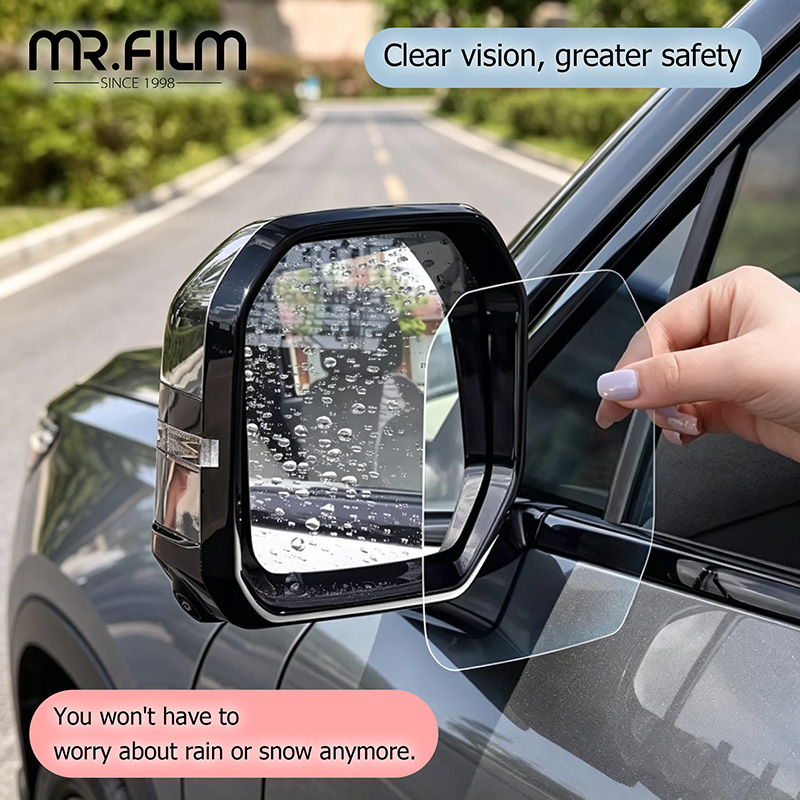
Anti-fog film is a thin functional layer applied directly to glass surfaces. Unlike defogging sprays that wash off after a few uses, a properly installed anti-fog film provides a durable, long-lasting barrier against condensation. It works by spreading water molecules evenly across the glass surface, turning droplets into a uniform, nearly invisible layer rather than the cloudy haze most people are familiar with.
This guide breaks down how anti-fog film works, where it's most useful, what to look for in a quality product, and why the manufacturer you choose matters more than most buyers realize.


Most glass surfaces are hydrophobic by nature—they repel water, causing droplets to form and scatter light, which creates the foggy effect. Anti-fog film flips this dynamic. Its hydrophilic coating attracts water molecules and spreads them into a thin, flat sheet that remains optically clear.
The result is a surface that doesn't fog up even when there's a sharp temperature difference between one side of the glass and the other—exactly what happens when a hot shower meets a cold bathroom mirror, or when humid outdoor air hits air-conditioned glass indoors.
High-quality anti-fog films also incorporate scratch resistance and UV-blocking properties, extending the service life of both the film and the glass beneath it. The adhesive layer must be carefully formulated—too aggressive, and it damages the glass during removal; too weak, and the film peels away prematurely.
The application range is broader than many people expect. Anti-fog technology isn't limited to bathroom mirrors or car windshields—it's used across residential, commercial, and industrial settings.
Application | Key Benefit | Typical Environment |
|---|---|---|
Bathroom mirrors | Instant clarity after showering | High humidity, temperature swings |
Shower glass panels | Clean, streak-free appearance | Constant moisture exposure |
Vehicle windshields | Improved visibility and safety | Cold mornings, rainy conditions |
Commercial building windows | Reduced condensation damage | High-rise facades, HVAC environments |
Cold storage glass doors | Clear product visibility | Refrigeration and freezer units |
Greenhouse panels | Light transmission without droplets | Agricultural settings |
For building applications specifically, anti fog window film provides an additional benefit: it can be laminated onto existing glass without requiring a full pane replacement, making retrofitting existing structures significantly more cost-effective than installing new specialty glass.
Not all anti-fog films perform equally under real-world conditions. Before committing to a product, there are five technical metrics worth examining closely.
Look for test data that reflects sustained performance—not just initial fog resistance measured in a controlled environment. Films that clear quickly but re-fog within minutes under continuous humidity exposure are common in lower-tier products.
Anti-fog films applied to mirrors and shower glass will be wiped frequently. A film without adequate scratch resistance will degrade in appearance within months. Premium products typically pass ASTM D1044 (Taber abrasion) or equivalent scratch resistance standards.
For most applications, you want a VLT of 90% or higher to ensure the film doesn't noticeably dim the glass. Some decorative anti-fog films carry lower VLT ratings by design, which is acceptable if that's intentional.
This matters especially for indoor residential applications. Solvent-heavy adhesives off-gas during and after installation, which can be a health concern in enclosed spaces like bathrooms.
Reputable manufacturers will have certifications such as ISO 9001 or equivalent. These verify that quality management systems are in place throughout the production process.
Sourcing from the right anti fog film supplier directly affects product consistency, lead times, and after-sales support—three factors that matter whether you're a contractor installing film for a single residential client or a procurement manager handling a large commercial order.
This is where MR.FILM stands out. Guangdong Mr.Film Photoelectric Technology Co., Ltd has been producing functional window films since 1998—over 27 years of focused industry experience. The company operates from a dust-free production base equipped with automated coating machines, which directly supports production consistency at scale.
MR.FILM's R&D infrastructure is notable by any measure: 40+ core R&D experts, 3 dedicated research centers, and an intermediate test base. The company has filed 135 national intellectual property applications, including 47 invention patents, and holds 107 authorized intellectual property rights. These aren't just credentials on a company profile—they reflect the depth of engineering that goes into each product.
The anti-fog film range from MR.FILM is part of a broader functional film series that includes anti-graffiti, anti-burst, anti-fingerprint, and EMI shielding films. For buyers who need multiple film types across a project, working with a single supplier who covers the full functional range simplifies procurement and ensures material compatibility.
MR.FILM also supports OEM and ODM service for brands that require custom formulations, thicknesses, or packaging. More than 20 leading brands in the glass, shower door, and mirror industries have adopted MR.FILM products—a track record that speaks to consistent quality across diverse market segments.
The decision between film options ultimately comes down to environment, surface type, and expected usage intensity.
For high-moisture environments like commercial shower facilities or swimming pool changing rooms, prioritize hydrophilic performance and adhesion durability above all else. For automotive applications, ensure the film is rated for curved glass installation. For cold storage retail displays, opt for formulations specifically tested at low temperatures, where many standard anti-fog films underperform.
When evaluating suppliers, request product samples before placing bulk orders. A reputable manufacturer will provide samples readily—and MR.FILM does exactly this for qualified buyers.
What is anti-fog film made of?
Anti-fog film consists of a polyester base layer, a hydrophilic anti-fog coating on the exposed surface, and a pressure-sensitive adhesive layer on the back. Some products include an additional UV-blocking or scratch-resistant top coat.
How long does anti-fog film last?
Lifespan varies by product quality and application environment. High-quality films in bathroom or shower settings typically last 3–7 years under normal use. Films in harsher industrial environments may require earlier replacement.
Can anti-fog film be applied to curved glass surfaces?
Yes, though the film's flexibility rating must match the curvature of the glass. Vehicle windshields and compound-curved shower panels require films specifically formulated for curved installations.
Is anti-fog film different from anti-fog glass coatings?
Yes. Anti-fog glass coatings are applied during manufacturing and cannot be retrofitted. Anti-fog film is an adhesive solution that can be added to existing glass surfaces—making it far more practical for renovation and retrofit projects.
How do I source anti-fog film for a large commercial project?
Contact a manufacturer directly rather than going through distributors. Direct sourcing from a manufacturer like MR.FILM provides access to competitive pricing, custom specifications, and dedicated technical support throughout the project.


